Microadventures: Sleep Under the Stars Tonight — No Vacation Required
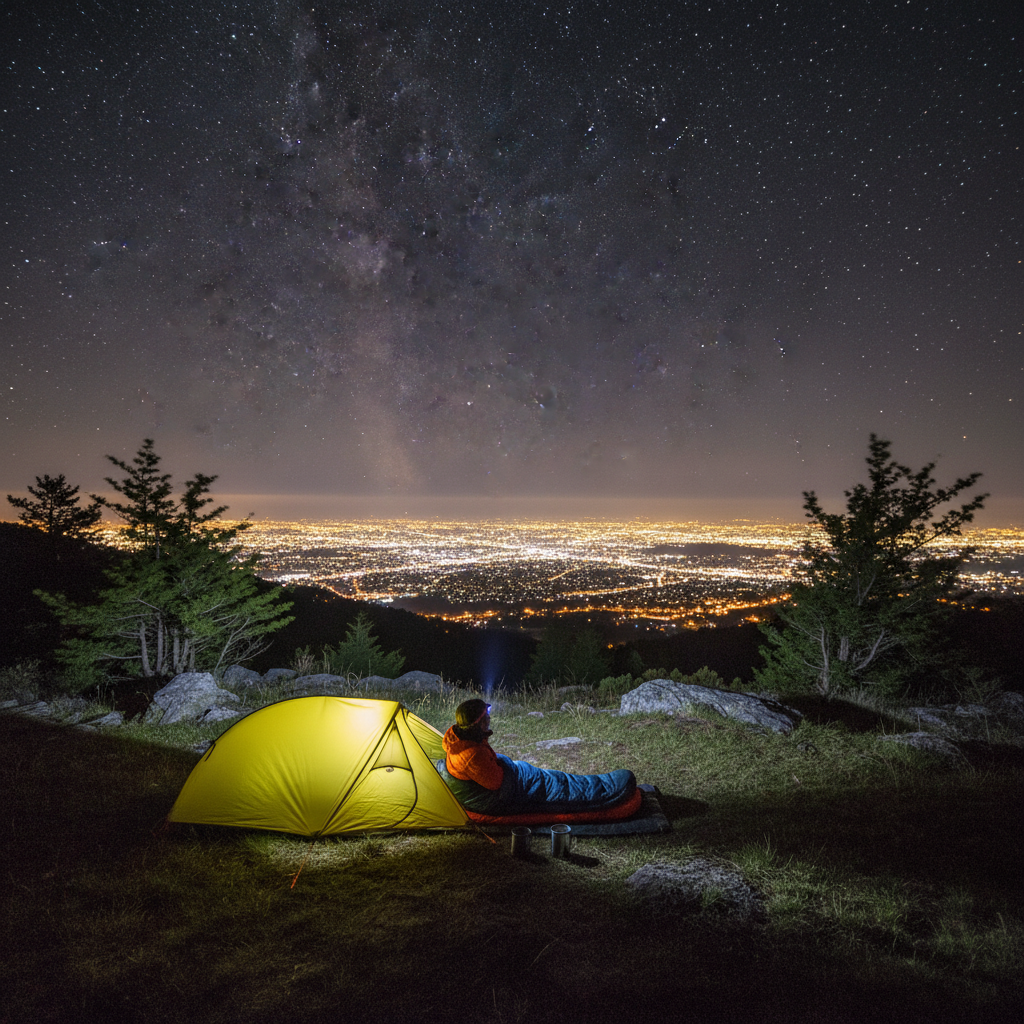
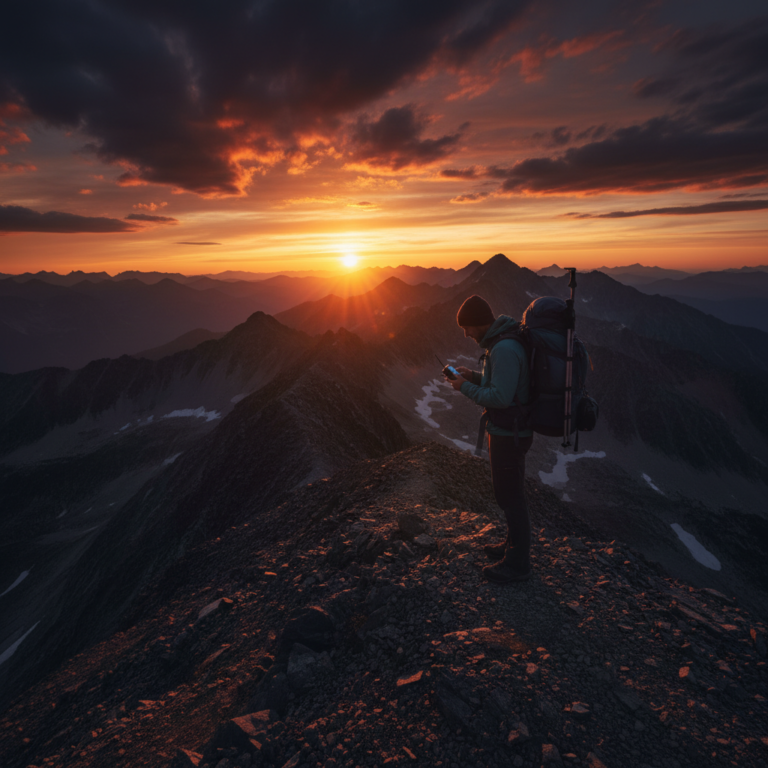
It is Friday, 6 PM. You close your laptop. By 7 PM you are on a train. By 8 PM you are walking into a forest 40 minutes from your apartment. By 9 PM you are lying in a sleeping bag on a hilltop, watching the stars appear one by one above the city glow on the horizon. By 7 AM Saturday you are back home, making coffee, feeling like you have been away for a week. This is a microadventure — and it is the most accessible, most rebellious, and most underrated way to break the cycle of screens, meetings, and fluorescent light.
Key Takeaways
A microadventure is a short, local overnight escape – often 5 PM to 7 AM, around 14 hours – that needs no car or vacation; if you can walk 2 km, you can do one.
- Definition: an overnight adventure under an hour from home by car, train or bike.
- Time frame: roughly sunset to sunrise (5 PM to 7 AM equals about 14 hours).
- Low barrier: if you can walk 2 km, you can microadventure.
- Kit: a complete microadventure kit fits under 3 kg.
- Why: a single night out creates more distinct memories than the same hours on the couch.
What Is a Microadventure?
The concept was popularized by British adventurer Alastair Humphreys: a microadventure is an overnight outdoor adventure that is short, simple, local, cheap, and fits around a normal working life. No flights. No vacation days. No expensive gear. Just the commitment to sleep somewhere different tonight.
| Rule | Details |
|---|---|
| Duration | One night. Friday evening to Saturday morning. Or even just sunset to sunrise (5 PM to 7 AM = 14 hours). |
| Distance from home | Under 1 hour by car, train, or bike. The closer, the more radical. |
| Gear | Minimal. Sleeping bag + bivy or ultralight tent. No heavy pack. |
| Cost | Near zero. Public transport + food you already have. |
| Planning | Minimal. The spontaneity IS the adventure. Over-planning kills the magic. |
| Season | All year. Summer is easiest. Winter is most memorable. |
The hardest part of a microadventure is leaving the house. Once you are outside, walking toward your sleeping spot, the resistance evaporates. The trick: pack your bag the night before. On Friday, you do not “decide to go” — you just pick up the bag that is already waiting by the door.
10 Microadventure Ideas (No Car Required)
| # | Adventure | Duration | What You Need |
|---|---|---|---|
| 1 | Hilltop bivvy — sleep on the highest point within 30 km of your home | 1 night | Sleeping bag, bivy bag, headlamp |
| 2 | River walk — follow a river from your city to its source (or vice versa) | 1 day | Map, water, snacks, bus ticket home |
| 3 | Sunrise summit — hike to a viewpoint in darkness, watch the sun rise | 4-6 hours | Headlamp, thermos, warm layer |
| 4 | Forest overnight — find the nearest forest, walk 2 km in, sleep under trees | 1 night | Sleeping bag, bivvy, ground pad |
| 5 | Train-to-trail — take last train out, hike to a wild camp spot, first train back | 1 night | Timetable, bivvy kit, headlamp |
| 6 | Full moon walk — night hike on a full moon without a headlamp | 3-4 hours | Warm clothes, backup light, friend |
| 7 | Wild swim + camp — bike to a lake, swim at sunset, camp on the shore | 1 night | Towel, bivvy, swim gear |
| 8 | City-to-country walk — walk from your front door until the buildings end | 1 day | Comfortable shoes, water, curiosity |
| 9 | Rooftop/balcony sleep — sleep outside at home. Seriously. Start there. | 1 night | Sleeping bag, a sense of humor |
| 10 | Commute detour — get off the train 3 stops early, walk the rest through parks | 1-2 hours | Walking shoes, podcast optional |
The Microadventure Kit (Under 3 kg)
The lighter your kit, the easier the decision to go. Target under 3 kg total for a one-night summer microadventure:
SOL Emergency Bivvy XL
5.8 oz · Reflects 90% body heat · Waterproof · Orange for visibility · Reusable
Helinox Chair Zero
1.1 lbs · 265 lb capacity · Packs smaller than a water bottle · Sunset luxury
Nitecore NU25 UL Headlamp
28g · 400 lumens · USB-C · Red light mode · The lightest real headlamp
| Item | Weight |
|---|---|
| Bivvy bag or ultralight tent | 200-800g |
| Sleeping bag or quilt | 400-700g |
| Sleeping pad (foam) | 60-200g |
| Headlamp (NU25 UL) | 28g |
| Water bottle | 100g |
| Snacks + breakfast | 300g |
| Extra warm layer | 200-400g |
| Phone + charger | 250g |
| TOTAL | 1.5-2.5 kg |
The Psychology of Microadventures
Microadventures work because they hack your perception of time. Research on “temporal landmarks” shows that novel experiences create new memory anchors — making a weekend feel longer. A Friday night under the stars creates more distinct memories than a Friday night on the couch, even though the same 14 hours pass.
- Breaks routine — the most effective mental health intervention is disrupting repetitive patterns
- Builds confidence — each overnight outside makes the next one easier. In 5 microadventures, you are a different person.
- Accessible — no gear investment, no vacation days, no fitness requirement. If you can walk 2 km, you can microadventure.
- Compounding — one microadventure per month = 12 per year. That is 12 nights under the stars more than most people get in a decade.
Microadventures by Season
| Season | Best Type | Gear Note |
|---|---|---|
| Spring | Wildflower hilltop bivvy, dawn chorus walk | Extra layer for pre-dawn cold. Waterproof ground sheet. |
| Summer | Wild swim + camp, full moon hike, rooftop sleep | Lightest kit. Bivvy bag is enough. Bring bug repellent. |
| Autumn | Forest overnight (fall colors), sunrise summit | Warmer sleeping bag. Headlamp for early darkness. |
| Winter | Snow bivvy, frost-morning sunrise, thermos hike | Full winter sleeping bag. Hot drink is morale-critical. |
Microadventures + Nordic Walking
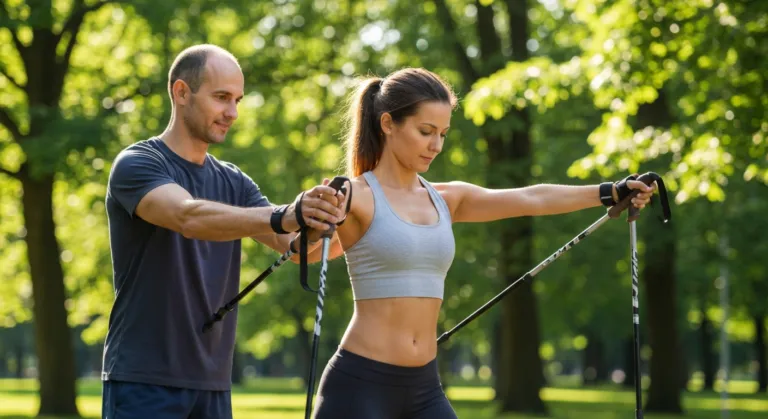
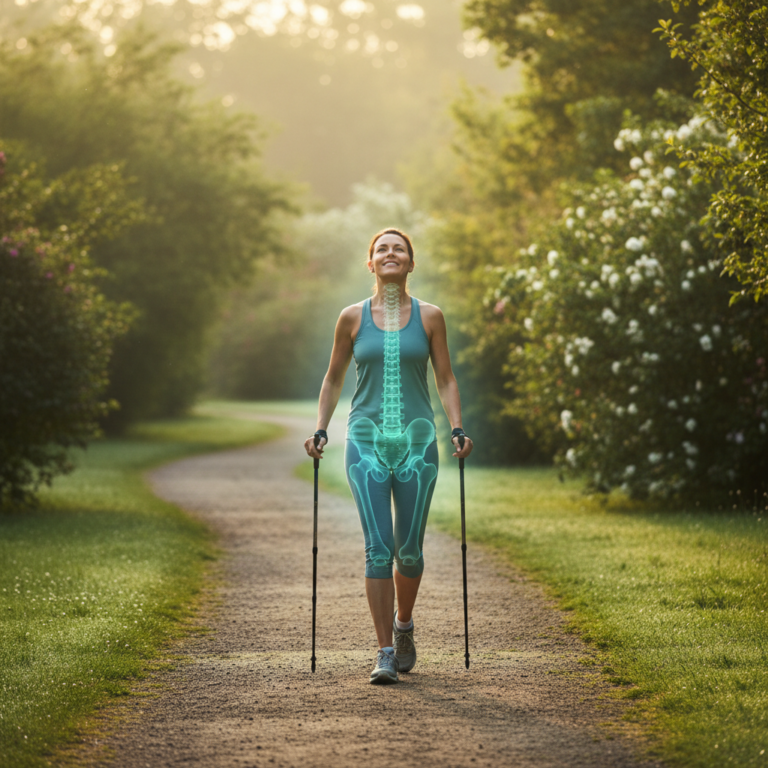
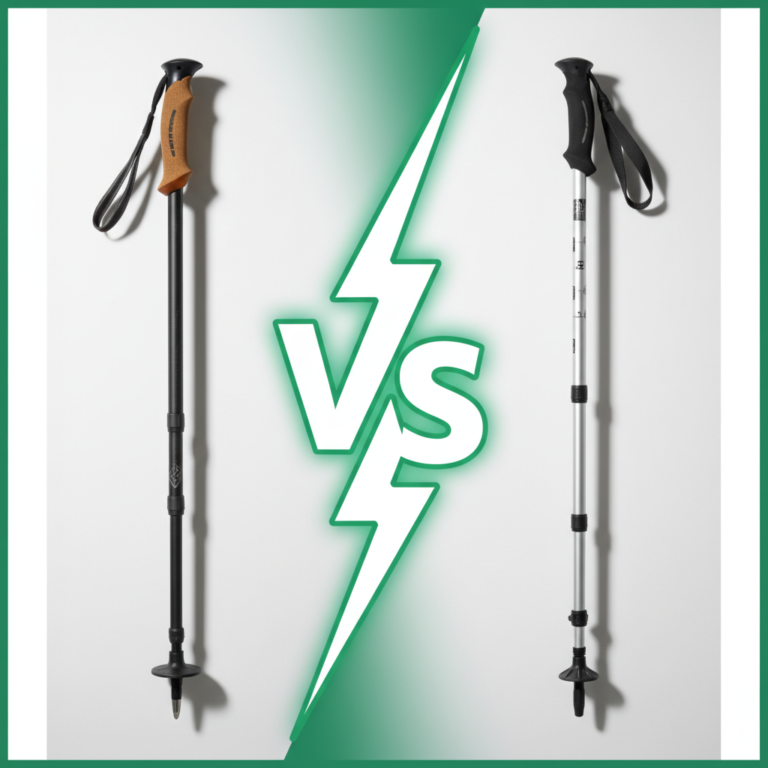
The perfect Friday evening microadventure: grab your Nordic walking poles, a 2 kg bivvy kit, and walk from your nearest train station to the highest point you can reach by sunset. Nordic walking pace (6-7 km/h) covers more ground than casual walking, meaning you reach wilder spots in less time. The poles are your stability insurance as daylight fades.
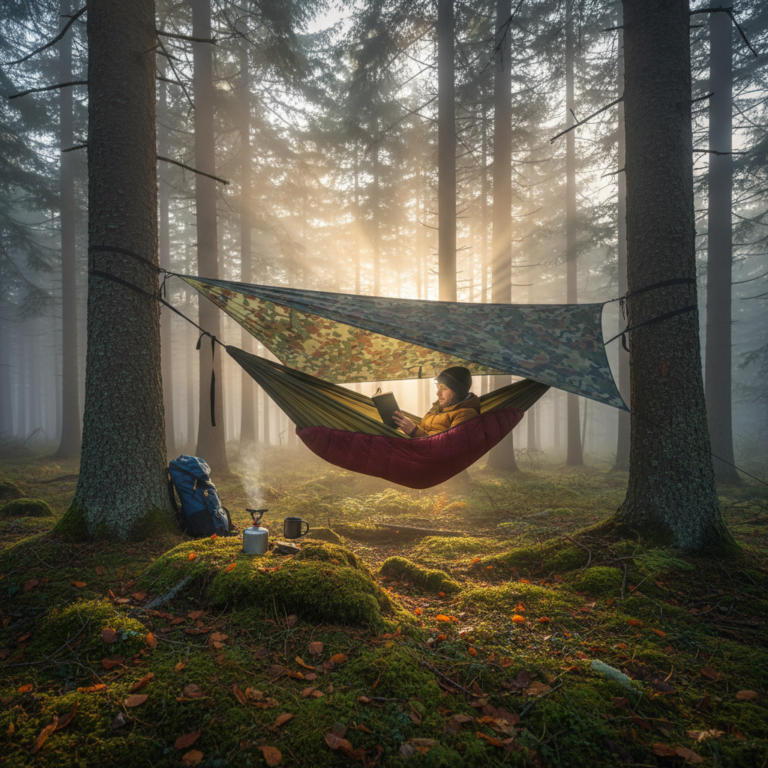
For overnight gear tips, see our Hammock Camping Guide or Multi-Day Trekking Gear.
Bottom Line
Adventure is not a two-week vacation in Patagonia. Adventure is deciding, at 5 PM on a Friday, that tonight you will sleep somewhere you have never slept before. It costs nothing, requires almost nothing, and changes everything about how your weekend feels.
Pack a sleeping bag. Walk out your door. The adventure starts at your doorstep.
Frequently Asked Questions
What exactly is a microadventure?
A short, local overnight adventure, often from about 5 PM to 7 AM, taken within an hour of home. It needs no vacation time, car, or expensive gear.
What gear do I need for a microadventure?
A kit under 3 kg is enough for most overnighters: a bivvy or lightweight shelter, a sleeping bag, a sleeping pad, a headlamp, and water.
Where can I legally sleep out overnight?
Check local wild-camping rules, which vary by country and region. Many areas tolerate a discreet, leave-no-trace one-night bivvy, especially above the highest fence line.
Is it safe to do a microadventure alone?
Yes, with basics: tell someone your plan and expected return, carry a headlamp and charged phone, and choose a familiar area for your first few trips.

About the Author
Alex Mercer — INWA Level 2 Nordic Walking Instructor
Certified by the International Nordic Walking Federation (INWA) since 2019, Alex has coached 500+ walkers from beginners to ultra-distance competitors. Sports science background with a focus on biomechanics, gait analysis, and evidence-based training protocols. Regular contributor to walking and outdoor publications.