Best Compression Socks & Calf Sleeves for Walkers, Hikers & Travelers (2026)
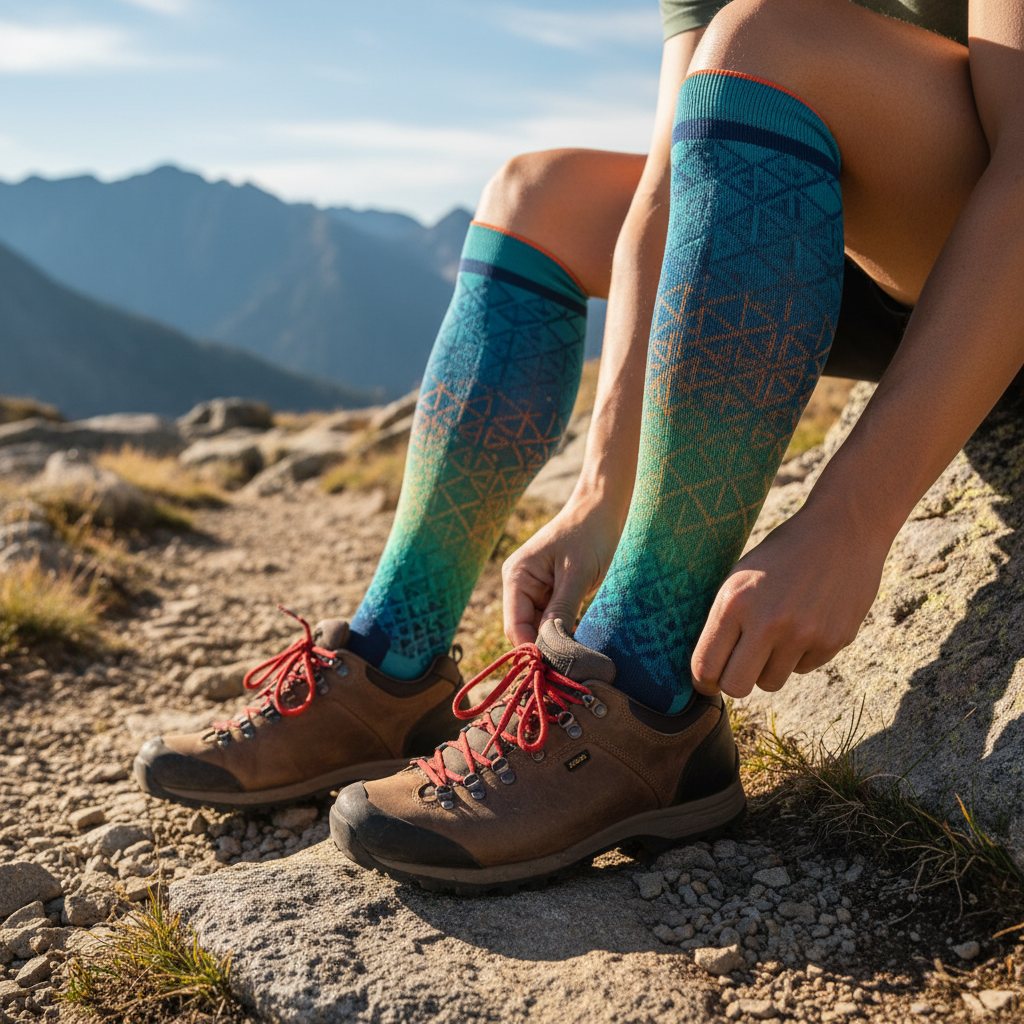
GaitLab is reader-supported. When you buy through links on our site, we may earn an affiliate commission at no extra cost to you.
If your legs feel heavy after a long walk, your ankles puff up on a cross-country flight, or your calves are still complaining the morning after a hike, the right pair of compression socks can quietly change your week. They are not magic, but graduated compression genuinely helps blood move back up your legs, and once you find a pair that fits and breathes, you tend to reach for them again and again.
Below are seven options we recommend for active adults who walk, hike, travel, and want to recover faster, plus a plain-English guide to compression levels (those mmHg numbers), graduated versus uniform pressure, and how to dial in your size.
Key Takeaways
- Best overall: CEP Compression Socks — true medical-grade graduated 20-30 mmHg with a precise athletic fit that performs on long walks, runs, and recovery days.
- Best budget: Physix Gear Compression Socks — honest 20-30 mmHg support in affordable multipacks, ideal if you want several pairs in rotation.
- Best for all-day comfort and travel: Sockwell merino blends at a gentler 15-20 mmHg you can wear from breakfast to bedtime.
- mmHg in plain terms: 15-20 mmHg is everyday and travel comfort; 20-30 mmHg is firmer support for swelling, recovery, and on-feet days. Higher compression deserves a quick chat with your doctor.
- Socks vs. sleeves: full socks help with foot swelling and travel; calf sleeves (no foot) suit hikers and runners who prefer their own moisture-wicking socks.
How We Picked and What Actually Matters
We focused on the things you feel during a long day on your feet rather than marketing buzzwords. A few criteria carried the most weight.
Compression level (mmHg), explained. Millimeters of mercury (mmHg) measure how much pressure the fabric applies at the ankle. The two ranges most active adults will see are 15-20 mmHg (mild, comfortable, great for travel, standing all day, and general “tired legs”) and 20-30 mmHg (moderate, firmer support for noticeable swelling, post-workout recovery, and longer time on your feet). Numbers above 30 mmHg are medical territory and should be doctor-directed.
Graduated vs. uniform pressure. Quality compression is graduated: tightest at the ankle and gradually looser toward the knee. That gradient is what encourages blood to flow upward against gravity. Cheap “compression” socks that squeeze evenly (uniform) feel tight but do less for circulation, and a too-tight band at the top can actually pinch. Every pick below uses true graduated construction.
Fit, sizing, and fabric. Compression only works when it fits. Most quality brands size by shoe size and calf circumference, so measure the widest part of your calf before buying. For fabric, look for breathable, moisture-wicking knits; merino wool regulates temperature and resists odor, while technical synthetics dry fast and hug the arch. Finally, decide between full socks (swelling, travel, cold feet) and calf sleeves (hikers and runners who want their own socks).
| Product | Best for | Standout | Price tier |
|---|---|---|---|
| CEP Compression Socks | Overall, runners & recovery | True graduated 20-30 mmHg, precise athletic fit | $$$ |
| Sockwell Compression Socks | All-day comfort & travel | Soft merino blend, gentle 15-20 mmHg | $$ |
| Comrad Compression Socks | Style & on-feet days | Stylish patterns, multiple mmHg options | $$ |
| Physix Gear Compression Socks | Budget & multipacks | Solid 20-30 mmHg at a low price | $ |
| 2XU Compression Socks | Athletes & recovery | Performance knit, strong arch support | $$$ |
| CEP Compression Calf Sleeves | Hikers & runners (no foot) | Targeted calf support, pair with any sock | $$ |
| Bombas Compression Socks | Everyday comfort | Cushioned, soft, easygoing fit | $$ |
The 7 Best Compression Socks and Sleeves
CEP Compression Socks
CEP built its reputation on medical-grade compression engineered for athletes, and it shows. These deliver true graduated 20-30 mmHg pressure with a calibrated gradient from ankle to calf, so the support feels purposeful rather than just tight. The knit hugs the arch and heel without bunching, which is exactly what you want when you are logging miles on foot or standing through a long day.
The trade-off is that CEP sizes precisely by calf circumference, so they run snug and you have to measure carefully. They are also a premium buy. But if you want one pair that performs equally well for long walks, runs, and post-activity recovery, this is the pair we reach for first. The compression holds its shape wash after wash, which is not always true at lower price points.
Pros
- True graduated medical-grade compression
- Precise, supportive athletic fit
- Durable knit that holds pressure over time
Cons
- Premium price
- Snug fit demands careful measuring
Price tier: $$$ (premium)
Sockwell Compression Socks
If your priority is all-day comfort rather than maximum squeeze, Sockwell is hard to beat. Their merino wool blends feel soft and temperature-regulating, with a gentle 15-20 mmHg that most people can wear from morning to night without thinking about it. That makes them a favorite for travel, office days, and anyone easing into compression for the first time.
The moderate pressure is the point here, not a limitation, but it does mean these are better for prevention and comfort than for serious swelling or hard recovery. The merino content also nudges the price above bargain synthetics. For everyday tired legs, long flights, and people who want a sock that feels like a nice wool sock that happens to be supportive, Sockwell nails the brief.
Pros
- Soft, breathable merino blend
- Gentle 15-20 mmHg for all-day wear
- Great patterns and color options
Cons
- Too mild for heavy swelling or recovery
- Merino costs more than synthetics
Price tier: $$ (mid-range)
Comrad Compression Socks
Comrad has done more than most to make compression socks look like something you would actually choose to wear. The patterns and colors are genuinely good, and the fabric is soft and comfortable on long, on-your-feet days. They offer both 15-20 mmHg and 20-30 mmHg options, so you can match the pressure to your needs without sacrificing style.
Because the focus leans toward comfort and looks, the firmer 20-30 mmHg version still feels a touch more relaxed than a hardcore athletic sock like CEP, which some people will prefer and dedicated runners might not. For travel, nursing or teaching shifts, and anyone who wants compression that pairs with everyday clothes, Comrad is an easy recommendation and a frequent gateway into the category.
Pros
- Stylish patterns you will actually wear
- Choice of 15-20 or 20-30 mmHg
- Soft, comfortable everyday feel
Cons
- Firmer option feels gentler than athletic brands
- Mid-tier price
Price tier: $$ (mid-range)
Physix Gear Compression Socks
For people who want real 20-30 mmHg support without the premium price, Physix Gear is the value pick. They deliver firm, graduated compression with a reinforced heel and toe, and they frequently come in multipacks, which makes keeping several clean pairs in rotation affordable. For travel, recovery, and long days on your feet, they punch well above their cost.
You do give up some of the refinement of the pricier brands. The fit is less precisely tailored to calf circumference, the fabric is more workmanlike, and longevity can vary from pair to pair. But as an entry point into proper 20-30 mmHg compression, or as everyday workhorses you do not mind tossing in the laundry constantly, they are a smart, budget-friendly choice.
Pros
- Real graduated 20-30 mmHg at a low price
- Multipacks for easy rotation
- Reinforced heel and toe
Cons
- Less precise sizing than premium brands
- Durability varies pair to pair
Price tier: $ (budget)
2XU Compression Socks
2XU comes from the endurance-sport world, and these socks are built for athletes who treat recovery as part of training. The performance knit offers firm, supportive compression with strong arch and ankle wrap, and many runners and cyclists swear by them for reducing that day-after leg fatigue after hard efforts.
That athletic focus means they are firmer and more technical than a casual everyday sock, and the price sits at the premium end. If you are a walker who just wants comfort on a flight, this is more sock than you need. But for runners, triathletes, and weekend warriors who want a dedicated recovery and performance tool, 2XU earns its place in the rotation.
Pros
- Strong, athletic performance compression
- Excellent arch and ankle support
- Trusted by endurance athletes
Cons
- Premium price
- More than casual walkers need
Price tier: $$$ (premium)
CEP Compression Calf Sleeves
Sometimes you want calf compression but prefer your own socks, and that is exactly what calf sleeves are for. These CEP sleeves deliver the brand’s signature graduated calf support with no foot, so hikers and runners can pair them with favorite trail or moisture-wicking socks. They are also handy if foot swelling is not your issue but tired, achy calves are.
The obvious limitation is that sleeves do nothing for your feet or ankles, so if your main concern is foot swelling on flights, a full sock is the better tool. Getting the top band to sit comfortably without slipping also takes the right size. But for the hike-and-run crowd who want targeted calf support and sock flexibility, these are our top sleeve pick.
Pros
- Targeted graduated calf compression
- Pair with any sock you like
- Great for trail and road use
Cons
- No support for feet or ankles
- Needs correct size to avoid slipping
Price tier: $$ (mid-range)
Bombas Compression Socks
Bombas is best known for genuinely comfortable everyday socks, and that comfort-first philosophy carries into their compression line. These are soft, cushioned, and easy to wear, with a relaxed feel that makes them a friendly choice for people who find firmer brands too aggressive. The fit is forgiving and the materials feel nice against the skin.
That easygoing approach is also the catch: these lean toward the gentler, comfort end of compression rather than serious medical-grade support. If you need firm relief for real swelling or athletic recovery, look higher on this list. But for everyday wear, light travel, and anyone who wants a comfortable sock with a touch of supportive squeeze, Bombas is a pleasant, approachable option.
Pros
- Very comfortable, cushioned feel
- Forgiving, easy-to-wear fit
- Soft, quality materials
Cons
- Gentler than dedicated support brands
- Not ideal for heavy swelling or recovery
Price tier: $$ (mid-range)
How to Choose Your Size and Compression Level
Start by measuring. Most quality compression brands size by shoe size and the circumference of the widest part of your calf, so grab a soft tape measure in the morning before any swelling sets in. Buying by shoe size alone is the most common reason socks end up too tight at the top or too loose to work, so do not skip the calf measurement.
Then pick your pressure. Choose 15-20 mmHg if you mainly want comfort, prevention, all-day wear, and travel ease. Choose 20-30 mmHg if you deal with noticeable swelling, spend long hours on your feet, or want firmer recovery support after exercise. If a doctor has suggested anything above 30 mmHg, follow their guidance and fitting advice rather than self-selecting.
Finally, match the format to the use. Full socks are the all-rounder for swelling, cold feet, and travel; knee-high socks cover the whole calf where most circulation benefit happens; and calf sleeves suit hikers and runners who want their own socks. Whatever you choose, it should feel firmly supportive but never painful, numbing, or skin-pinching.
Frequently Asked Questions
Can I wear compression socks all day, every day?
For most healthy people, mild 15-20 mmHg socks are fine for all-day daytime wear, and many travelers and on-feet workers do exactly that. Take them off at night unless a doctor specifically tells you otherwise, and stop if you notice numbness, tingling, or skin marks that do not fade.
What mmHg level should a walker or traveler start with?
Start with 15-20 mmHg for general walking, standing, and flights. It delivers a real benefit while staying comfortable and easy to put on. Move up to 20-30 mmHg if you have meaningful swelling, longer time on your feet, or want firmer recovery support, ideally after checking with your doctor if you have any health conditions.
Are compression socks or calf sleeves better?
Full socks are better for foot and ankle swelling, cold feet, and travel because they compress the whole lower leg including the foot. Calf sleeves are better for hikers and runners who want targeted calf support while wearing their own preferred socks. If you are unsure, a full sock is the more versatile starting point.
How do I know if they are too tight?
Properly fitted compression feels snug and supportive but should never cause pain, numbness, tingling, color changes in your toes, or deep grooves in your skin. If you feel any of those, the socks are too tight or the wrong size, take them off and re-measure. When in doubt, especially with firmer compression, consult a healthcare professional.
The best compression socks are the ones you will actually wear, so weigh comfort and fit as heavily as the mmHg number on the box. For most active walkers and travelers, a comfortable 15-20 mmHg pair handles daily life, while a firmer 20-30 mmHg pair earns its keep on big hikes, long flights, and recovery days. Measure your calf, start with the gentlest level that meets your needs, and check with your doctor before going firmer if you have any circulation concerns, then enjoy lighter, fresher legs at the end of the day.

About the Author
Alex Mercer — INWA Level 2 Nordic Walking Instructor
Certified by the International Nordic Walking Federation (INWA) since 2019, Alex has coached 500+ walkers from beginners to ultra-distance competitors. Sports science background with a focus on biomechanics, gait analysis, and evidence-based training protocols. Regular contributor to walking and outdoor publications.