Packrafting: The Ultimate Land-and-Water Adventure Trend of 2026
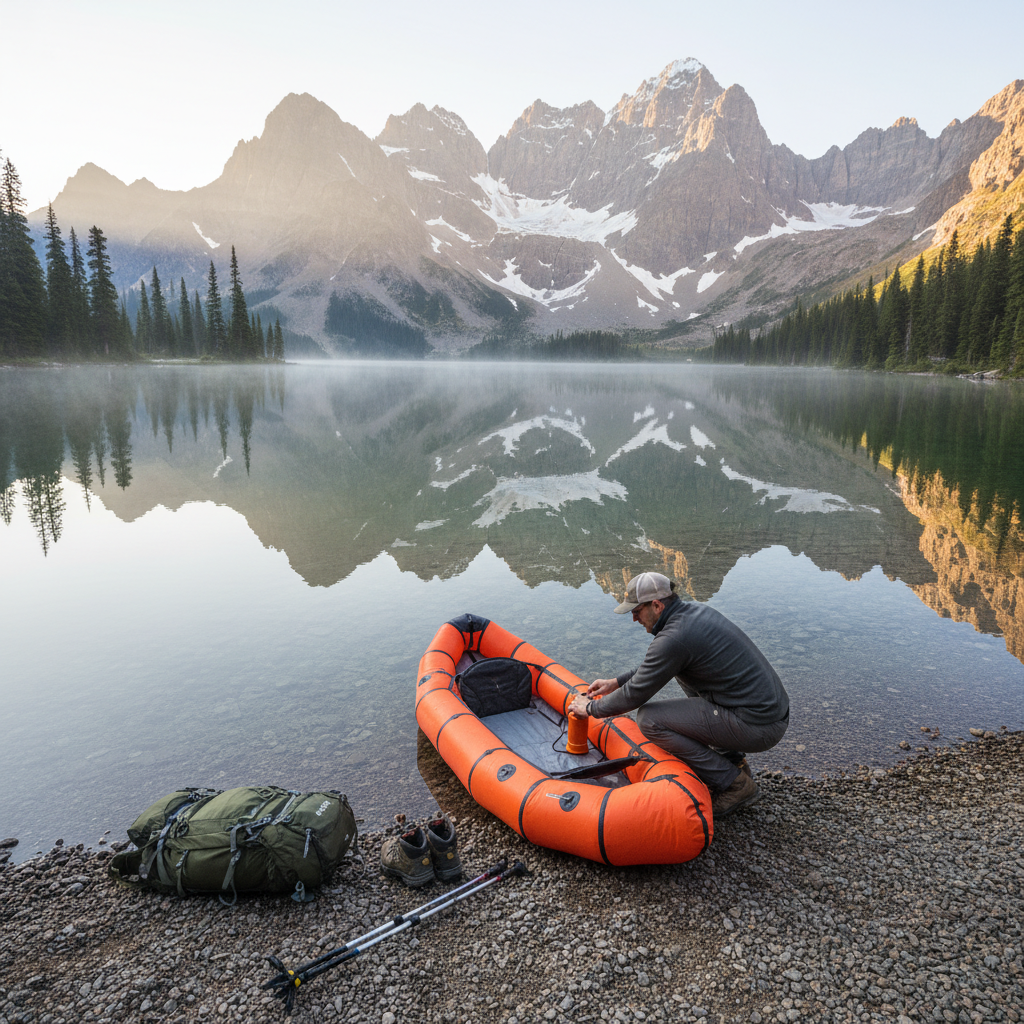
You are hiking a canyon. The trail ends at a river. On the other side — the route continues into wilderness no road reaches. A year ago, you would turn back. Today, you unclip a 2-kg package from your pack, inflate it in 5 minutes, and paddle across. Then you deflate, pack up, and keep hiking. This is packrafting — and it is the most exciting development in outdoor adventure since the invention of the backpacking tent.
Key Takeaways
Packrafting opens routes that hiking alone cannot reach: an ultralight inflatable boat weighing just 2 to 4 kg fits inside your backpack and inflates in about 5 minutes.
- Weight and pack size: 2 to 4 kg (4-9 lbs), small enough to fit inside a backpack.
- Speed: inflates in roughly 5 minutes, then deflates to continue on foot.
- Why it matters: lets you cross rivers and lakes that would otherwise force you to turn back.
- Core gear: a packraft, a packable carbon paddle, a PFD and a dry bag.
- Skill path: start on flat water before progressing to moving water.
What Is Packrafting?
A packraft is an ultralight inflatable boat (2-4 kg / 4-9 lbs) that fits inside your backpack. You hike to water, inflate the raft, paddle across a lake, down a river, or along a coastline, then deflate and continue on foot. It combines trekking and paddling into a single seamless adventure — the ultimate land-and-water freedom.
| Feature | Packraft | Inflatable Kayak | Canoe |
|---|---|---|---|
| Weight | 2-4 kg (4-9 lbs) | 10-15 kg (22-33 lbs) | 25-35 kg (55-77 lbs) |
| Packed size | Fits in backpack | Large duffel bag | Roof rack required |
| Inflate time | 2-5 minutes | 5-10 minutes | N/A |
| Hike-ability | Carry all day | Too heavy to hike with | Impossible |
| Whitewater | Up to Class III-IV | Class I-II max | Class I-II max |
| Stability | Very stable (wide hull) | Moderate | Good |
| Speed | Slow (short waterline) | Moderate | Good |
Packrafting is NOT for open ocean or large exposed lakes in wind. The short waterline and light weight make packrafts vulnerable to wind and waves. Stick to rivers, sheltered lakes, and calm coastal sections. Always wear a PFD — no exceptions.
Best Packrafts for Beginners
Kokopelli Rogue-Lite
5.5 lbs · Class II rapids · Self-bailing · Removable spray deck · TiZip cargo access
Klymit LiteWater Dinghy
2.9 lbs · Flatwater lakes · 300 lb capacity · Packs to 6×12 inches · Entry-level price
Essential Packrafting Gear
Aqua-Bound Manta Ray Carbon Paddle
4-piece breakdown · Carbon shaft · 28 oz · Fits inside pack · Asymmetric blades
NRS Chinook PFD
Low-profile · 16 lbs flotation · Mesh back · 6 pockets · Fits over pack hip belt
Sea to Summit Ultra-Sil Dry Bag 20L
Waterproof · 2.5 oz · Roll-top · Keeps gear dry while paddling · Ultralight
How to Start Packrafting
- Learn to paddle first. Rent a kayak and practice basic strokes — forward, sweep, draw, brace. A packraft is forgiving but you need baseline skills.
- Start on flatwater. Lakes and slow rivers. No current, no rapids. Practice inflating, getting in/out, and packing up.
- Always wear a PFD. Non-negotiable. Cold water kills in minutes. A PFD buys you time.
- Dry-bag everything. Your sleeping bag, electronics, and spare clothes go in waterproof bags inside the packraft.
- Check water conditions. River flow, weather forecast, water temperature. Never paddle alone on your first trips.
- Take a course. Many outdoor schools offer packrafting intro courses (1-2 days).
Best Packrafting Routes
| Route | Location | Difficulty | Highlight |
|---|---|---|---|
| Lofoten Islands | Norway | Moderate | Hike between fjords, paddle between islands |
| Bob Marshall Wilderness | Montana, USA | Advanced | Multi-day hike-paddle through grizzly country |
| Torres del Paine W Trek + rivers | Chile | Moderate | Classic trek with packraft river crossings |
| Scottish Highlands | Scotland | Easy-Moderate | Loch crossings + glen hiking |
| Yukon River | Canada | Easy (flatwater) | Multi-day river floating with shore hiking |
Packrafting + Nordic Walking
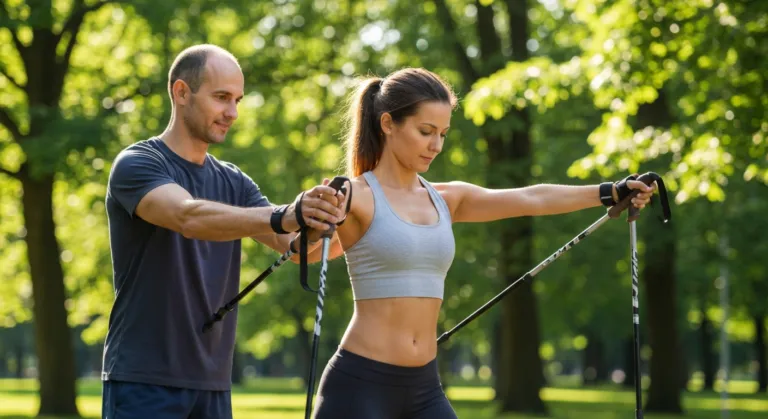
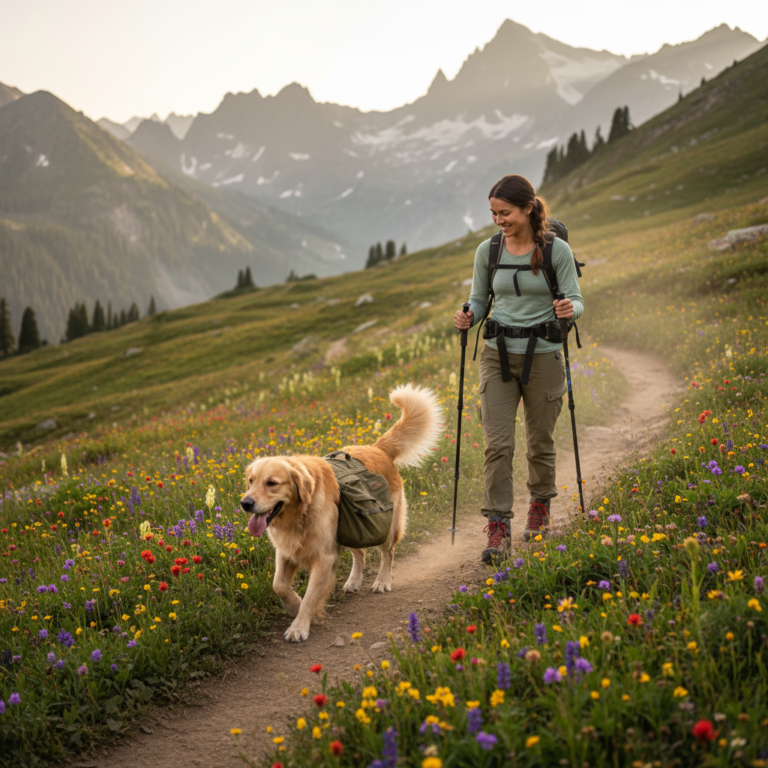
The combination is surprisingly natural. Nordic walking poles provide stability on the hiking sections and can be strapped to the packraft during paddling. The full-body engagement of Nordic walking on land mirrors the upper-body workout of paddling on water — making it a true 360-degree fitness adventure.
Bottom Line
Packrafting is the outdoor trend that refuses to peak. It unlocks terrain that was previously inaccessible — river crossings, island-hopping, and water-to-trail transitions that make every trip an expedition. Start with a Klymit LiteWater on a calm lake, and prepare to see every map differently.
Frequently Asked Questions
How much does a packraft weigh?
A packraft weighs 2 to 4 kg (4 to 9 lbs) and packs down to roughly the size of a sleeping bag, so it fits inside a backpack.
Do I need whitewater experience to start packrafting?
No. Flat water and gentle rivers require only basic paddling skill. Take instruction and wear a PFD before attempting moving water or whitewater.
Can a packraft carry my backpack and gear?
Yes. You strap your backpack to the bow, and many models include internal tube storage for additional dry gear.
How long does it take to inflate a packraft?
About 5 minutes using the included inflation bag, which needs no pump.

About the Author
Alex Mercer — INWA Level 2 Nordic Walking Instructor
Certified by the International Nordic Walking Federation (INWA) since 2019, Alex has coached 500+ walkers from beginners to ultra-distance competitors. Sports science background with a focus on biomechanics, gait analysis, and evidence-based training protocols. Regular contributor to walking and outdoor publications.