Best Zero-Drop & Barefoot Walking Shoes 2026: 7 Top Picks for Foot Health & Natural Gait
GaitLab is reader-supported. When you buy through links on our site, we may earn an affiliate commission at no extra cost to you.
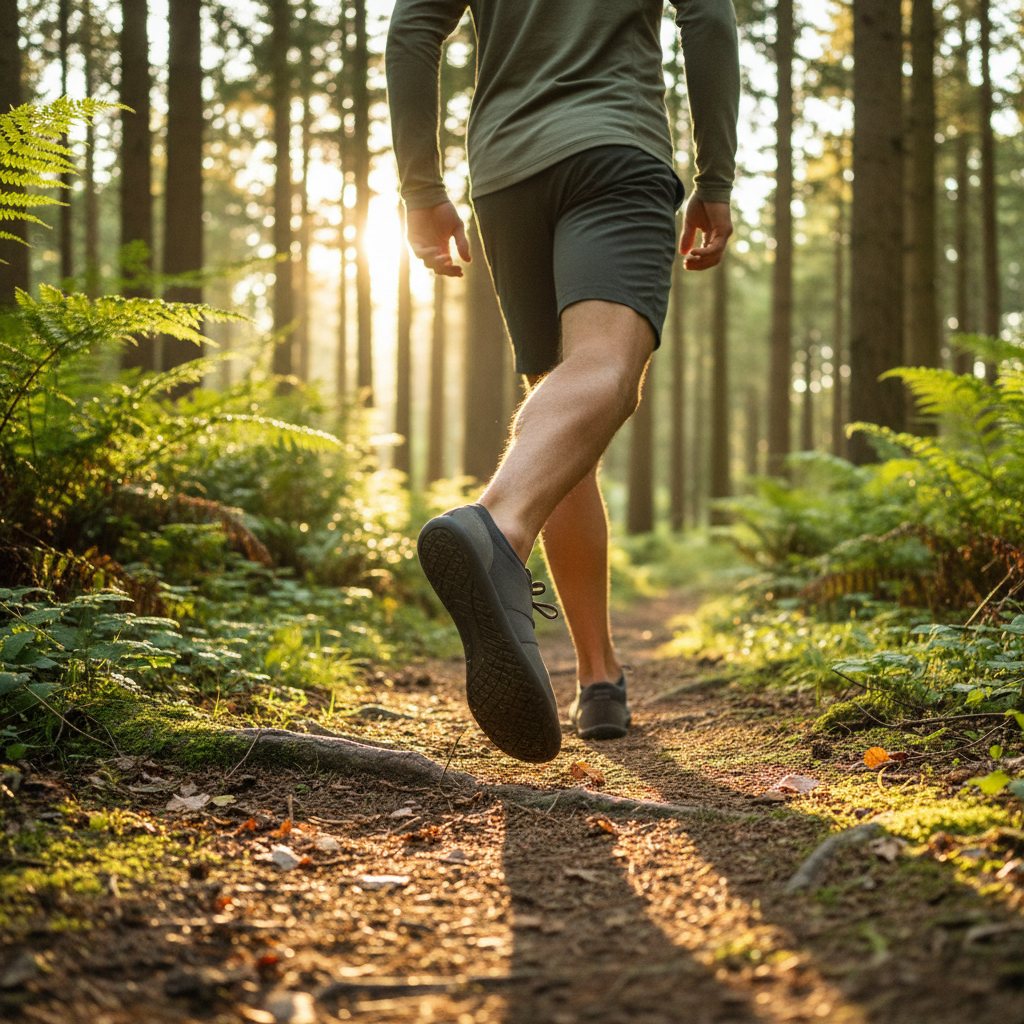
If you’ve ever finished a long walk with aching arches, cramped toes, or sore knees, your shoes may be working against the way your feet are actually built. Zero-drop and barefoot shoes flip the conventional formula: they keep your heel and forefoot level, widen the toe box, and let your foot move, sense, and stabilize the way nature intended. After years of walking, hiking, and testing minimalist footwear, here are the seven pairs that earn a place on your shelf in 2026 and how to choose the right one for your feet.
Key Takeaways
- Top pick overall: Altra (Lone Peak / Escalante) for its roomy FootShape toe box and zero drop with just enough cushion to keep daily walkers and hikers comfortable.
- Best budget: WHITIN Barefoot Shoes deliver a genuine wide-toe, flexible barefoot feel for a fraction of the premium-brand price.
- Truest barefoot feel: Xero Shoes and Vivobarefoot Primus give you maximum ground feedback in flexible, durable packages.
- Easiest on-ramp: Topo Athletic low-drop shoes ease you in with a wide toe box and more cushion before you go fully flat.
- Transition slowly: dropping to zero drop overnight is the #1 cause of calf and Achilles soreness, so build up over several weeks.
How We Picked and What Actually Matters
Not all “barefoot” shoes are equal, and the marketing can blur real differences. We weighted each shoe on the features that change how your foot feels and performs over thousands of steps, not on hype. Here’s the framework we used and the framework you can use when comparing any pair yourself.
Zero drop vs. low drop. “Drop” is the height difference between heel and toe. A traditional running or walking shoe has 8–12mm of drop, which subtly tips you forward. Zero drop (0mm) keeps your foot level, encouraging a more natural posture and midfoot strike. Low drop (roughly 3–5mm) is a gentler middle ground that’s ideal if you’re coming from cushioned shoes and want to ease your calves into the change.
Toe box width. This is the single most underrated feature. A wide, anatomically shaped toe box lets your toes splay on every step, which improves balance and may relieve pressure on the ball of the foot and big-toe joint. If your toes can’t spread, the shoe isn’t truly foot-shaped no matter what the label says.
Ground feel. Thinner, more flexible soles let you sense the terrain and engage the small stabilizing muscles in your feet. More ground feel means more foot strengthening, but also less protection, so the right amount depends on where and how far you walk.
Durability and traction. A barefoot shoe still has to survive real mileage. We looked for outsoles that resist wear, lugs or tread that grip on trails and wet pavement, and uppers that hold up to repeated flexing.
Transition-friendliness. Some shoes are built to be your first step away from cushioning; others assume you already have strong, adapted feet. Matching the shoe to your current foot fitness prevents injury and frustration.
| Product | Best for | Standout | Price tier |
|---|---|---|---|
| Altra Zero-Drop | Best overall for walkers & hikers | Roomy FootShape toe box | $$$ |
| Xero Shoes | True barefoot feel on a value budget | Flexible, durable, great value | $$ |
| Vivobarefoot Primus | Premium minimalist daily wear | Thin puncture-resistant sole | $$$$ |
| Lems Primal / Chillum | Casual, travel & everyday | Lightweight & packable | $$$ |
| Topo Athletic | Easing in from cushioned shoes | Low drop + wide toe box | $$$ |
| Merrell Vapor Glove | Trail ground feel on a budget | Minimalist trail glove | $$ |
| WHITIN Barefoot | Best ultra-budget barefoot pick | Wide toe box, low price | $ |
The 7 Best Zero-Drop & Barefoot Walking Shoes
Altra (Lone Peak / Escalante)
Altra is the brand that made zero drop approachable for everyday walkers and hikers, and it remains our top overall recommendation. The signature FootShape toe box is genuinely roomy, letting your toes splay naturally even after miles on the trail, while the level platform keeps you balanced rather than tipped forward. The Escalante leans toward smooth road walking with a soft, springy feel, and the Lone Peak is the go-to for hikers who want grippy lugs and a little more protection underfoot.
What sets Altra apart is the balance: you get the alignment benefits of zero drop without the steep adjustment period of a paper-thin sole. There’s real cushioning here, which makes Altra a smart entry point for people who love the idea of natural movement but aren’t ready to feel every pebble. That same cushioning means it’s less “barefoot” than minimalist purists may want, but for most active adults walking and hiking for health, it’s the most comfortable place to start.
Pros
- Exceptionally roomy FootShape toe box
- Zero drop with usable cushioning
- Trail and road versions available
- Forgiving for newcomers to zero drop
Cons
- More cushion means less ground feel
- Premium price point
- Outsole wear varies by model
Price tier: $$$ (mid-to-upper)
Xero Shoes (HFS / Prio)
Xero Shoes hits the sweet spot between true barefoot feel and real-world durability, which is why it’s our value champion. The sole is thin and remarkably flexible, so you get rich ground feedback and the foot-strengthening benefits that minimalist fans chase, while a wide toe box gives your toes room to do their job. The Prio is a versatile all-rounder for walking and gym work, and the HFS adds a touch more structure for road miles.
The standout here is confidence in the purchase. Xero famously backs its soles with a long durability guarantee, which is rare in a category where thin outsoles can wear quickly. Because there’s so little between you and the ground, expect a genuine adaptation period as your calves and feet wake up. But if you want an honest barefoot experience without paying premium-brand prices, Xero is hard to beat.
Pros
- Genuine barefoot ground feel
- Wide toe box and flexible sole
- Excellent value for the category
- Durable outsole with long warranty
Cons
- Minimal cushioning needs adaptation
- Thin sole offers less impact protection
- Styling is sportier than dressy
Price tier: $$ (budget-friendly)
Vivobarefoot Primus
If you want the premium end of true minimalist footwear, the Vivobarefoot Primus is the benchmark. The hallmark is its ultra-thin yet puncture-resistant sole, which delivers exceptional ground feel while still protecting against sharp gravel and debris. The foot-shaped last is wide and natural, and the whole shoe is built to let your feet move, flex, and strengthen with almost nothing in the way.
This is a shoe for someone committed to the barefoot lifestyle and willing to invest. The build quality and materials feel a clear step above budget options, and many wearers report it becomes their everyday default. The trade-off is price and adaptation: because there’s so little cushioning, it rewards feet that are already conditioned, and the cost is firmly premium. For dedicated minimalists, though, it’s a joy to walk in.
Pros
- Thin, puncture-resistant sole
- Outstanding ground feel
- Wide, foot-shaped last
- Premium materials and build
Cons
- Highest price in this guide
- Demands adapted, conditioned feet
- Minimal protection on long rocky terrain
Price tier: $$$$ (premium)
Lems Primal / Chillum
Lems is the pick when you want barefoot benefits in a relaxed, casual shoe you can wear all day and toss in a bag. Both the Primal and Chillum are wide, lightweight, and impressively packable, the kind of shoe that flattens down for travel and still feels great walking through the airport, around town, or on easy paths. The roomy toe box and flexible sole keep your feet free while the look stays understated enough for everyday life.
Where dedicated trail shoes prioritize grip and ground feel, Lems prioritizes versatility and comfort. It’s not the most aggressive barefoot experience, and it’s not built for technical hiking, but as a daily and travel companion it’s tough to beat. If you want one natural-movement shoe that handles errands, light walks, and weekend trips without looking like gym gear, Lems delivers.
Pros
- Lightweight and ultra-packable
- Wide toe box, casual styling
- Great for travel and daily errands
- Comfortable straight out of the box
Cons
- Less grip for technical trails
- Moderate ground feel, not maximal
- Not ideal for high-mileage running
Price tier: $$$ (mid)
Topo Athletic
Topo Athletic is the smartest choice for easing into natural movement without shocking your body. Instead of jumping straight to zero drop, Topo offers a gentle low drop paired with a roomy toe box and noticeably more cushioning than a true barefoot shoe. That combination lets your toes splay and your gait normalize while your calves and Achilles adapt gradually rather than all at once.
Think of Topo as the bridge between conventional shoes and full minimalism. You still get the wider, foot-friendly shape and a lower, more natural platform, but the extra cushion absorbs impact on hard surfaces and longer walks. Once your feet are stronger, you may graduate to a flatter, thinner shoe, or you may simply stay here because it’s so comfortable. Either way, it’s the lowest-risk on-ramp in this guide.
Pros
- Low drop eases the transition
- Wide, comfortable toe box
- More cushion for hard surfaces
- Low injury risk for beginners
Cons
- Not zero drop or true barefoot
- Less ground feel by design
- Purists may outgrow it
Price tier: $$$ (mid)
Merrell Vapor Glove
The Merrell Vapor Glove is a minimalist trail glove that delivers serious ground feel without a premium price. The sole is thin and flexible, hugging the terrain so you can feel and respond to the trail, while the breathable upper wraps your foot like a sock. For walkers and light-trail hikers who want that connected, close-to-the-ground sensation, it’s one of the most accessible ways in.
Coming from a mainstream brand, it also benefits from wide availability and Merrell’s outsole know-how, so traction on dry trails is reliable. The toe box is comfortable though not as expansively wide as dedicated barefoot brands, so toe-splay enthusiasts may want more room. As a budget-friendly, ground-feel-first trail option, however, the Vapor Glove punches well above its price.
Pros
- Excellent ground feel for the price
- Thin, flexible minimalist sole
- Reliable trail traction
- Widely available, easy sizing
Cons
- Toe box narrower than barefoot brands
- Very little underfoot protection
- Not built for long rocky hikes
Price tier: $$ (budget-friendly)
WHITIN Barefoot Shoes
WHITIN is proof that you don’t have to spend a lot to try barefoot walking. These ultra-budget shoes deliver the essentials that matter most, a wide toe box that lets your toes spread, a flexible zero-drop sole, and a lightweight build, at a price that makes experimenting genuinely low-risk. For anyone curious whether barefoot shoes suit them before committing real money, this is the obvious starting point.
The trade-offs are what you’d expect at this price: materials and finish aren’t as refined as premium brands, and long-term durability won’t match a Vivobarefoot or Xero. But the core barefoot experience is real and surprisingly good. Many wearers buy a pair to test the waters and end up keeping them for casual daily use, gym sessions, or as a knock-around option they don’t worry about.
Pros
- Lowest price in this guide
- Genuinely wide toe box
- Flexible zero-drop sole
- Low-risk way to test barefoot
Cons
- Less refined materials and finish
- Durability below premium brands
- Fit and quality can vary
Price tier: $ (ultra-budget)
How to Transition and Get Started
The biggest mistake people make is treating barefoot shoes like any other pair and wearing them all day from day one. Instead, treat the switch like starting a new strength program, because that’s essentially what it is for your feet and lower legs.
Begin with short, easy walks on forgiving surfaces and let your body tell you how it’s adapting. Mild calf and arch soreness in the first weeks is normal; sharp pain, joint pain, or numbness is a signal to slow down. If you’re nervous, start with a low-drop shoe like Topo, or a cushioned zero-drop like Altra, before working toward thinner, truer barefoot options such as Xero or Vivobarefoot. Keep your old shoes in rotation during the transition so you’re never forced to push through fatigue.
A quick safety note: these health benefits are individual, and a more natural gait may help some people feel better, but barefoot shoes are not a medical treatment. If you have diabetes, neuropathy, reduced foot sensation, existing foot or ankle conditions, or any circulation concerns, talk with your doctor or a podiatrist before switching, since thin soles and reduced protection can carry real risks for those conditions.
Frequently Asked Questions
What’s the difference between zero-drop and barefoot shoes?
Zero drop means the heel and toe sit at the same height, but the shoe can still have cushioning. Barefoot (or minimalist) shoes are typically zero drop and have a very thin, flexible sole with a wide toe box for maximum ground feel. All barefoot shoes are zero drop, but not all zero-drop shoes are truly barefoot.
Are zero-drop shoes good for walking and foot health?
For many active adults, a level platform and roomy toe box can encourage a more natural gait, let the toes splay, and engage foot muscles that cushioned shoes keep dormant. Benefits vary by person, so think of them as a tool that may help rather than a guaranteed fix, and transition gradually to avoid overloading your calves.
How long does it take to adjust to barefoot shoes?
Most people need 4–8 weeks of gradual use, and some need longer. Start with short daily sessions and increase time slowly. If you came from highly cushioned, high-drop shoes, give yourself extra patience and consider starting with a low-drop or cushioned zero-drop model first.
Can I hike in barefoot or zero-drop shoes?
Yes, many people hike happily in them. For rocky or technical terrain, choose a model with more protection and grip, like the Altra Lone Peak, rather than an ultra-thin sole. Build up your trail mileage gradually, just as you would on pavement.
The Bottom Line
For most active walkers and hikers, the Altra (Lone Peak / Escalante) is the best all-around starting point, combining zero-drop alignment and a roomy toe box with enough cushion to stay comfortable. If you want the truest barefoot feel without overspending, Xero Shoes is our value pick, and the budget-friendly WHITIN makes trying barefoot shoes nearly risk-free. Whichever you choose, transition slowly, strengthen your feet, and let your natural gait do the rest.

About the Author
Alex Mercer — INWA Level 2 Nordic Walking Instructor
Certified by the International Nordic Walking Federation (INWA) since 2019, Alex has coached 500+ walkers from beginners to ultra-distance competitors. Sports science background with a focus on biomechanics, gait analysis, and evidence-based training protocols. Regular contributor to walking and outdoor publications.