Nordic Walking Nutrition: What to Eat Before, During and After
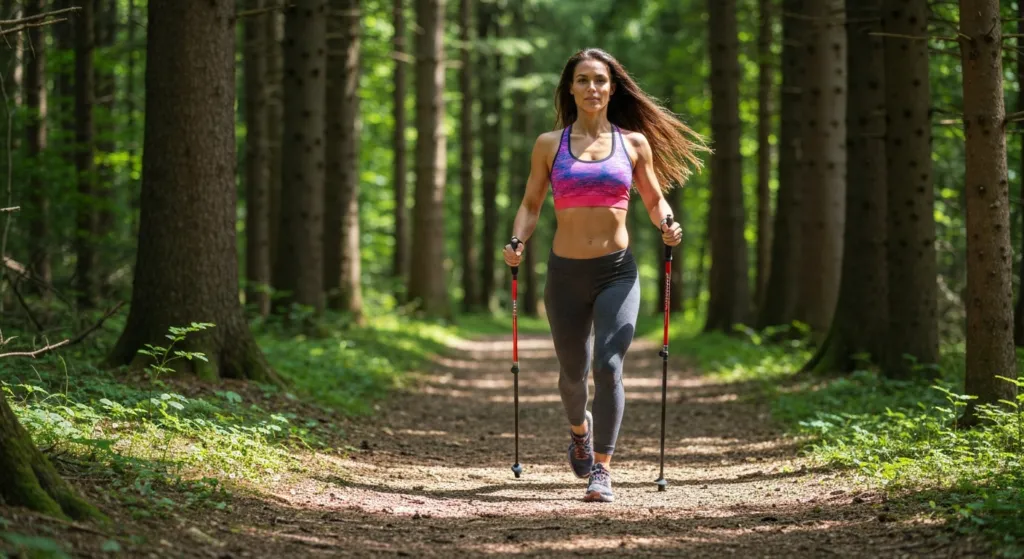
What you eat profoundly affects your Nordic walking performance, endurance, and recovery. Whether you’re walking 30 minutes in the park or completing a 4-hour mountain route, the right nutritional strategy keeps your energy levels stable and your body functioning at its best.
Key Takeaways
Because Nordic walking burns 20 to 46 percent more calories than regular walking (roughly 400 to 600 kcal per hour), fuelling means carbs before, steady intake on long walks, and protein-led recovery after.
- Energy cost: about 400 to 600 kcal per hour, 20-46% above regular walking.
- Before: a carb-based meal 2 to 3 hours prior, or a quick snack 30 to 60 minutes before.
- During (90+ min): 30 to 60 g of carbohydrate every 45 to 60 minutes.
- Hydration: 400-600 ml water two hours before, then 150-200 ml every 20 minutes.
- Recovery: refuel within the 30-60 minute post-walk window; add electrolytes for long, warm sessions.
Understanding Energy Needs for Nordic Walking
Pros
- Pre-walk carbohydrates improve energy and endurance
- Intra-walk snacks prevent bonking on 90+ min sessions
- Post-walk protein (20-30g) optimizes muscle recovery
- Hydration before walking prevents fatigue
- Electrolytes matter on sessions over 60 minutes
- Timing meals correctly improves fat oxidation
Cons
- Over-eating before walks causes GI discomfort
- Sports nutrition products add cost
- Individual tolerance varies significantly
- Calorie tracking adds mental overhead
- Caffeine benefits decline with daily use
Nordic walking burns 20–46% more calories than regular walking at the same speed — roughly 400–600 kcal per hour for a 70 kg person at moderate intensity. This elevated expenditure comes from engaging the upper body, which demands additional fuel from both carbohydrates and fats.
Your body uses two primary fuel sources:
- Glycogen (carbohydrates): Fast-burning, ideal for moderate to high-intensity effort. Stores are limited to roughly 90 minutes of sustained exercise
- Fat: Slow-burning, nearly unlimited supply, primary fuel for low-to-moderate intensity and long duration
Before Your Walk: Pre-Exercise Nutrition
2–3 Hours Before (Main Meal)
For walks over 60 minutes, eat a balanced meal with moderate carbohydrates, lean protein, and minimal fat or fiber (which slow digestion):
- Oatmeal with banana and a handful of nuts
- Wholegrain toast with eggs and avocado
- Rice with grilled chicken and steamed vegetables
- Pasta with tomato sauce and lean protein
30–60 Minutes Before (Quick Fuel)
If you’re heading out soon after waking or between meals, a small, easily digestible snack prevents low blood sugar without causing digestive discomfort:
- Banana (fast carbs, potassium, easy to digest)
- Small handful of dates
- Rice cake with a thin layer of nut butter
- Sports gel or energy chew
During Your Walk: Staying Fueled on the Trail
Walks Under 60 Minutes
For shorter sessions at moderate intensity, you typically don’t need food during the walk if you’ve eaten within 2–3 hours. Water is sufficient.
Walks 60–90 Minutes
Consider 30–40g of carbohydrates halfway through if walking at brisk pace. Options: an energy bar, handful of gummy bears, or a ripe banana.
Walks Over 90 Minutes
Consume 30–60g of carbohydrates every 45–60 minutes. This matches your glycogen burn rate and prevents the “energy wall” that ruins long-distance efforts.
| Duration | Carb Strategy | Best Foods |
|---|---|---|
| Under 60 min | None needed | Water only |
| 60–90 min | 30–40g once | Energy bar, banana |
| 90–180 min | 30–60g per hour | Gels, dates, rice balls |
| Over 3 hours | 60–90g per hour | Mix of glucose/fructose foods |
Hydration: The Overlooked Factor
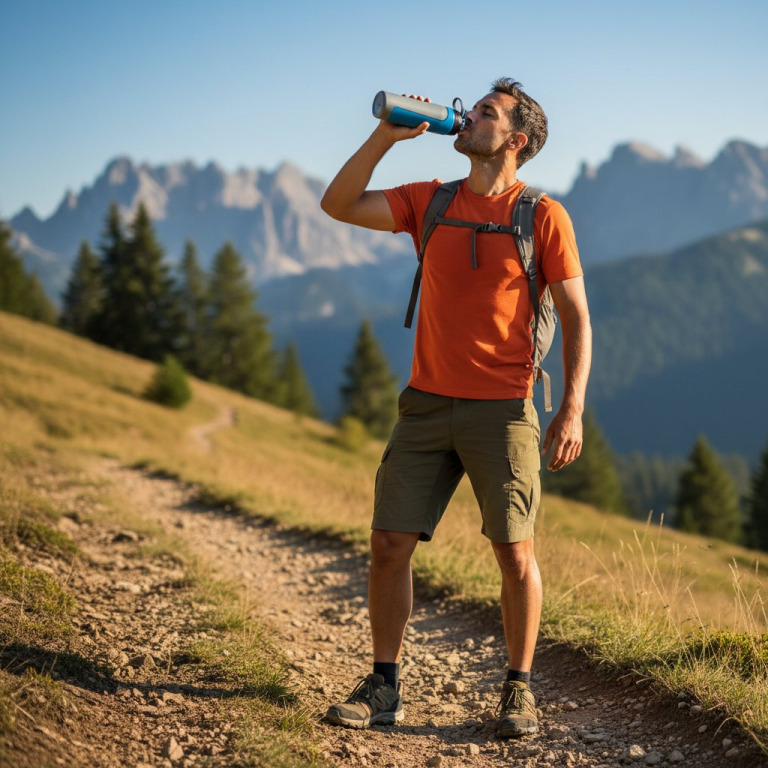
Even mild dehydration (2% of body weight) reduces performance and cognitive function. Drink 400–600 ml of water 2 hours before your walk, then 150–200 ml every 20 minutes during exertion.
For walks over 90 minutes in warm weather, include electrolytes — sodium, potassium, and magnesium — either through sports drinks, electrolyte tabs, or salty snacks like pretzels or crackers.
After Your Walk: Recovery Nutrition
The 30–60 minute window after intense exercise is when your muscles are most receptive to replenishment. A combination of protein and carbohydrates optimizes recovery:
- Protein (20–30g): Repairs microtears in muscle tissue. Greek yogurt, cottage cheese, eggs, protein shake, chicken
- Carbohydrates (1–1.5g per kg body weight): Restores glycogen stores. Fruit, whole grains, sweet potato, rice
- Anti-inflammatories: Berries, tart cherry juice, turmeric, omega-3s reduce inflammation from exercise
Sample Recovery Meals
- Smoothie: banana + protein powder + berries + almond milk + oats
- Greek yogurt with granola and mixed berries
- Eggs on wholegrain toast with sliced tomato
- Rice bowl with grilled salmon and stir-fried vegetables
Nordic Walking for Weight Loss: Special Considerations
If weight loss is your goal, the nutritional approach shifts slightly. Walking in a moderate calorie deficit (300–500 kcal/day) while maintaining adequate protein (1.6–2.0g per kg body weight) preserves muscle mass while burning fat. Avoid extreme restriction — under-fueled Nordic walks are less enjoyable, less intense, and ultimately less effective for body composition change.
Good nutrition transforms a decent walk into a great one. Pay attention to how different foods affect your energy levels and digestion during exercise — everyone’s gut responds differently, and finding your personal formula is worth the experimentation.
Explore More
Related tools: Calorie Calculator | Pace Calculator
Recommended reading: 12-Week Training Program | Nordic Walking for Weight Loss
For morning Nordic walks, even a small carbohydrate source (banana, toast) 30 minutes before improves performance noticeably in sessions over 45 minutes. Training fasted is fine for short sessions under 30 minutes but counterproductive for technique-focused or interval work.
Shop Hydration Packs on Amazon →
Recommended Nutrition and Hydration Gear
Osprey Hydraulics 2L Reservoir →
Salomon Soft Flask 500ml — Handheld Hydration →
Nuun Sport Electrolyte Tablets →
Clif Bar Energy Bars — Trail Nutrition →
Recovery Nutrition: The Window That Matters Most
The 30-60 minute window after a Nordic walking session is when muscle protein synthesis and glycogen resynthesis rates are highest. Consuming 20-25g of high-quality protein and 30-50g of carbohydrates within this window accelerates recovery by approximately 30% compared to the same nutrients consumed 2+ hours later.
Practical recovery meals: Greek yogurt with a banana and honey (ideal — contains both protein and fast-acting carbohydrates), two eggs on toast, a protein shake with oat milk and fruit, or a bowl of cottage cheese with berries. All of these can be prepared in under 3 minutes and consumed immediately post-session.
Hydration Timing: Before Is More Important Than During
Starting a Nordic walking session dehydrated is the single most common cause of fatigue and poor performance in recreational walkers. Pre-hydration is more effective than trying to catch up during the session. A simple protocol: drink 500ml of water in the 2 hours before your walk, and another 200ml 15-20 minutes before you start.
During the session, drink to thirst rather than following a rigid schedule, unless you are walking over 90 minutes or in heat above 25°C. The human thirst mechanism is accurate at moderate exercise intensities and moderate temperatures — listen to it rather than forcing fluid intake beyond comfort.
The Caffeine Advantage
3-6mg of caffeine per kg of bodyweight consumed 45-60 minutes before Nordic walking consistently improves both aerobic performance and fat oxidation in peer-reviewed research. For an 70kg person, this is 210-420mg — equivalent to 2-3 cups of coffee. If you are not caffeine-sensitive, timing your morning coffee before your walk is a legitimate performance strategy, not just a habit.
Frequently Asked Questions
What should I eat before a Nordic walk?
For sessions under 45 minutes, you can walk fasted if comfortable. For 45-90 minute sessions, eat a small carbohydrate snack 30-60 minutes before: a banana, a slice of toast with honey, or a handful of dates. For sessions over 90 minutes, have a balanced meal (carbs + protein) 2-3 hours before.
Do I need to eat during a Nordic walk?
For walks under 60 minutes at moderate intensity, food during the walk is not necessary if you started well-fueled. Over 60 minutes, consume 30-60g of carbohydrates per hour: dates, rice cakes, or a sports gel. Over 90 minutes, also include electrolytes (sodium, potassium) to prevent cramping.
How much water should I drink during Nordic walking?
Aim for 400-600ml per hour of walking in mild conditions, and 600-800ml per hour in warm weather. A simple test: if your urine is pale yellow 2 hours after your walk, hydration was adequate. Dark yellow means you need to drink more before your next session.