Fastpacking: Cover 50 km in a Weekend With a 4 kg Pack
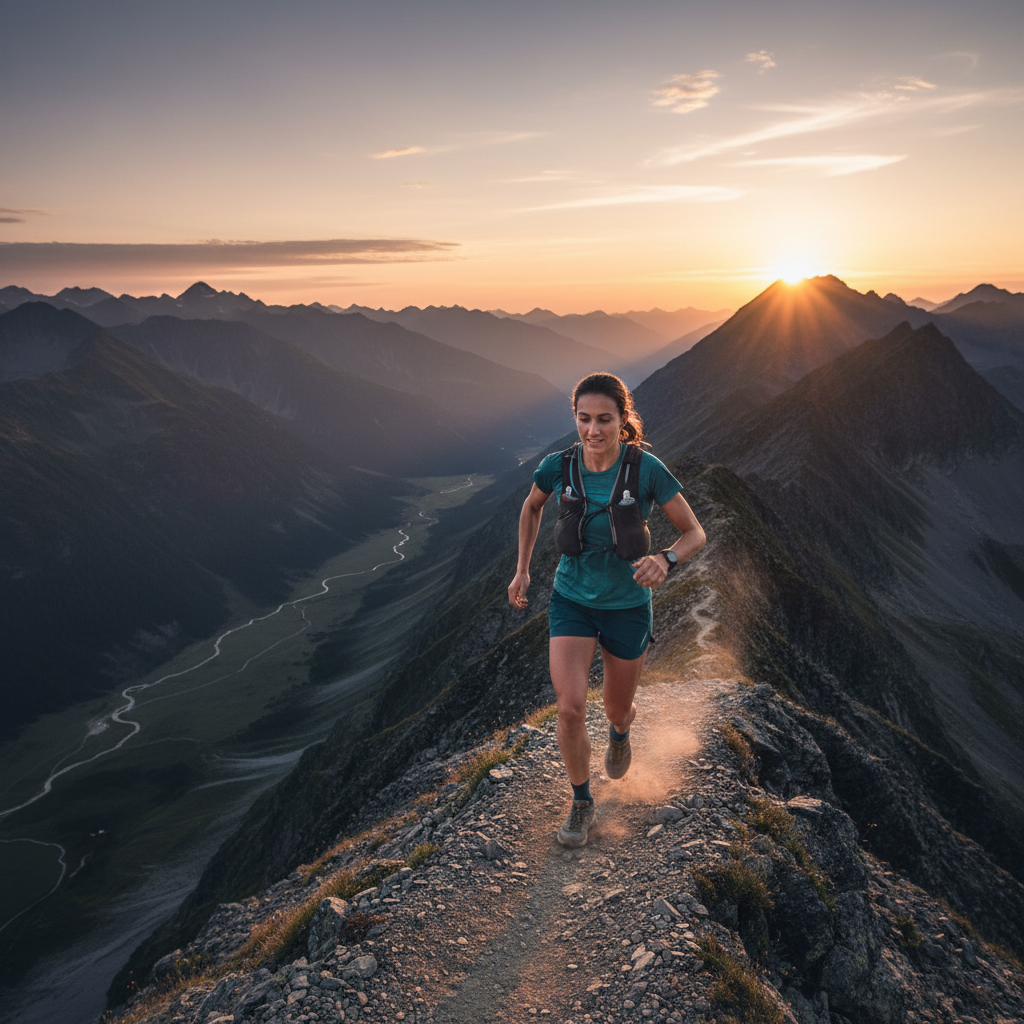
You have a 48-hour window. No time for a week-long trek. But your body is screaming for mountains. Fastpacking is the answer — grab a 5-kg pack, lace up trail runners, and cover 40-50 km per day through terrain that would take a backpacker three days. It is hiking at running speed, sleeping under the stars, and being back at your desk Monday morning with legs that remember where they were.
Key Takeaways
Fastpacking covers 40 to 50 km per day with a 5 kg pack and trail runners – hiking at running speed – and poles make the climbs far more efficient, cutting leg strain about 25 percent.
- Daily distance: 40 to 50 km per day with a ~5 kg pack and trail-running shoes.
- Pole payoff: on uphills, poles reduce leg strain about 25% and boost climbing speed 10-15%.
- Pole spec: the Black Diamond Distance Z folds to 38 cm and weighs 270 g.
- First weekend: cover ~30 km by early afternoon, camp, then 20-30 km back by midday.
- Philosophy: a 48-hour window is enough for a real mountain objective.
What Is Fastpacking?
Fastpacking is the hybrid of trail running and ultralight backpacking. You move faster than a hiker but carry overnight gear — sleeping system, food, water, and a minimal shelter. The philosophy: move light, move fast, cover more ground, see more landscape, spend less time at camp and more time in motion.
| Dimension | Backpacking | Fastpacking | Trail Running |
|---|---|---|---|
| Pack weight | 10-20 kg | 3-7 kg | 0.5-2 kg |
| Daily distance | 15-25 km | 30-50 km | 20-80 km |
| Overnight gear | Full camp setup | Minimal bivy/quilt | None |
| Pace | 4-5 km/h | 6-10 km/h | 8-15 km/h |
| Footwear | Hiking boots | Trail runners | Trail runners |
| Mindset | Enjoy the journey | Efficient adventure | Athletic performance |
The golden rule of fastpacking: if you would not run with it, do not bring it. Every item must justify its weight in grams. A 200g luxury (chair, book, extra lens) that you would happily carry at hiking pace becomes unacceptable at running pace. This constraint forces creativity.
Essential Fastpacking Gear
Salomon ADV Skin 12
12L · Running vest design · 310g · Soft flasks included · Body-hugging fit · Zero bounce
Altra Olympus 6
Max cushion · Zero-drop · Wide toe box · Vibram Megagrip · 310g · Mountain-ready comfort
Black Diamond Distance Z Poles
Foldable Z-design · 270g/pair · 120cm · Fits inside/alongside vest · Carbon fiber option
Patagonia Houdini Air
94g · Packs into own pocket · Wind protection · Breathable · Backup rain layer
The Fastpacking Packing List
| Item | Weight | Notes |
|---|---|---|
| Running vest (12L) | 310g | Your only bag |
| Ultralight bivy or tarp | 200-400g | Emergency shelter or planned overnight |
| Sleeping quilt (5°C) | 400-600g | Down, no zipper, save weight |
| Sleeping pad (1/8″ foam) | 60g | Closed-cell foam, doubles as sit pad |
| Wind shell | 94g | Patagonia Houdini Air or similar |
| Headlamp | 28g | Nitecore NU25 UL |
| Water filter | 56g | Sawyer Squeeze (or BeFree) |
| Food (2 days) | 800-1200g | Calorie-dense bars, nuts, dried fruit |
| Soft flasks (2x500ml) | 40g | Included with Salomon vest |
| Phone + power bank | 350g | Offline maps, emergency |
| First aid mini | 50g | Tape, blister pads, ibuprofen |
| TOTAL | ~3-4 kg | Without water and food |
Your First Fastpacking Weekend
- Choose a 40-60 km loop with good trail markings and water sources every 10-15 km.
- Start Saturday 5 AM. Cover 30 km by early afternoon. Find a bivvy spot by 4 PM.
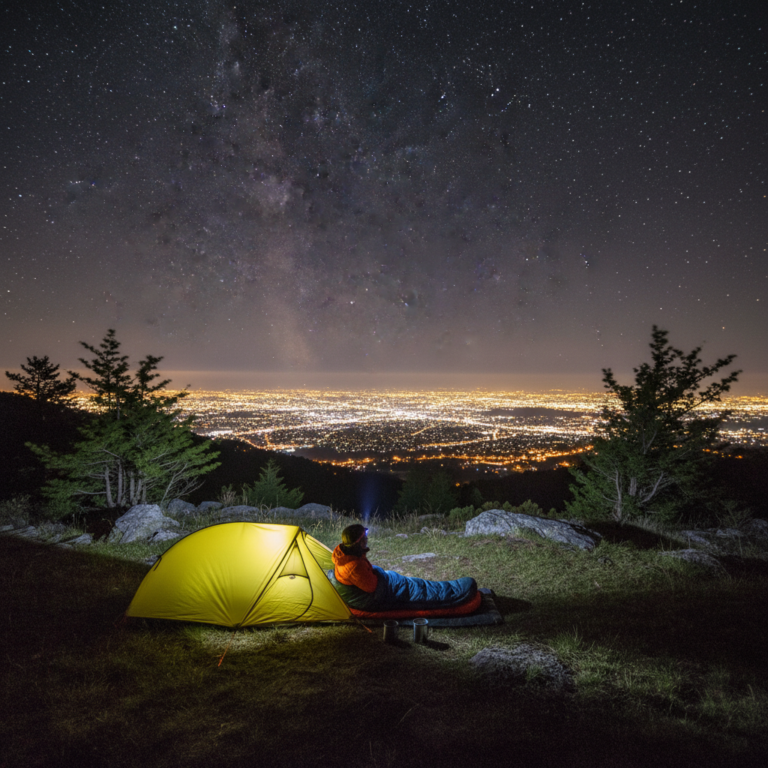
- Sleep light. No tent needed in summer — bivy bag + quilt under the stars.
- Sunday: finish the loop. 20-30 km back to your car by midday.
- Back home by dinner. Legs tired, soul recharged, Monday meetings survivable.
Fastpacking + Nordic Walking
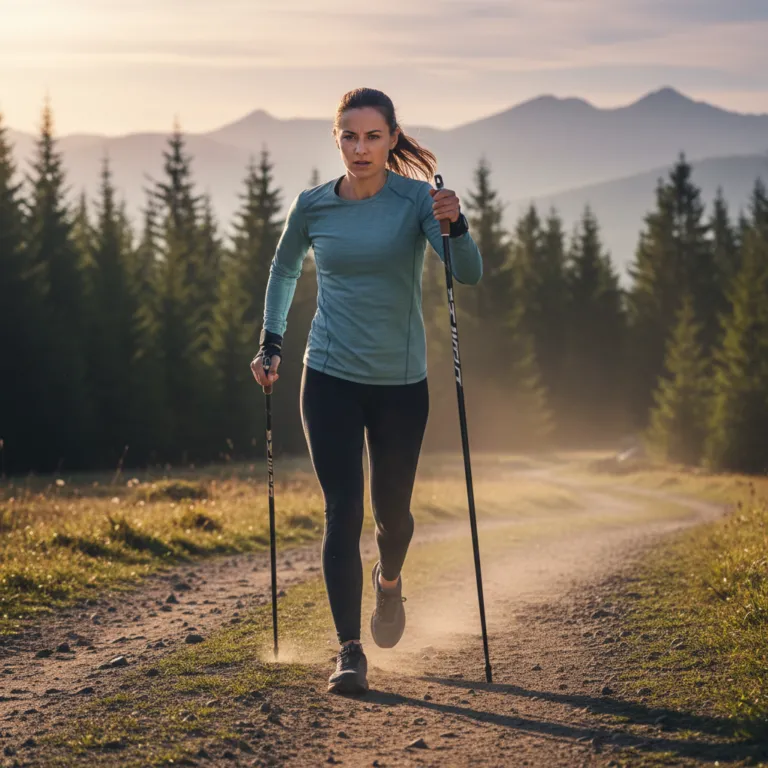
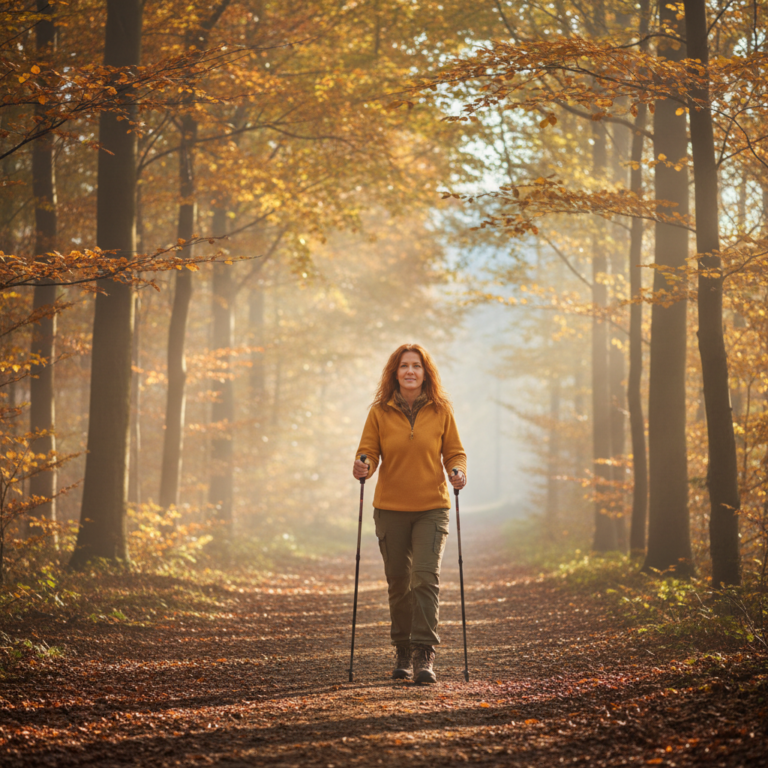
Folding trekking poles are essential for fastpacking. On uphills, poles transform your pace — 25% less leg strain, 10-15% faster climbing speed. On flats, stow them alongside your vest. The Black Diamond Distance Z poles fold to 38cm and weigh 270g — barely noticeable until you need them.
Bottom Line
Fastpacking is the antidote to “I do not have time for the outdoors.” A running vest, trail runners, and a sleeping quilt turn any 48-hour window into a mountain adventure. Start with a one-night loop near your city, and discover that distance is not the obstacle — weight is.
Frequently Asked Questions
What is the difference between fastpacking and ultralight backpacking?
Fastpacking adds running to backpacking. You move at a run-hike pace and cover 40 to 50 km per day with a pack under about 6 kg, rather than walking 15 to 25 km with a heavier load.
Should I wear trail runners or boots for fastpacking?
Trail runners. They are lighter, dry faster, and suit the run-hike pace. Boots are too heavy and stiff for fastpacking speeds.
How much should my fastpacking pack weigh?
Aim for a total of 5 to 6 kg including water for a weekend, with a base weight (everything except food and water) under 4 kg.
Are poles worth carrying for fastpacking?
Yes on climbs. Folding poles cut leg strain by about 25 percent and speed up ascents 10 to 15 percent, then pack away when you are running flats and descents.

About the Author
Alex Mercer — INWA Level 2 Nordic Walking Instructor
Certified by the International Nordic Walking Federation (INWA) since 2019, Alex has coached 500+ walkers from beginners to ultra-distance competitors. Sports science background with a focus on biomechanics, gait analysis, and evidence-based training protocols. Regular contributor to walking and outdoor publications.