Top 5 Trekking Routes Around the World
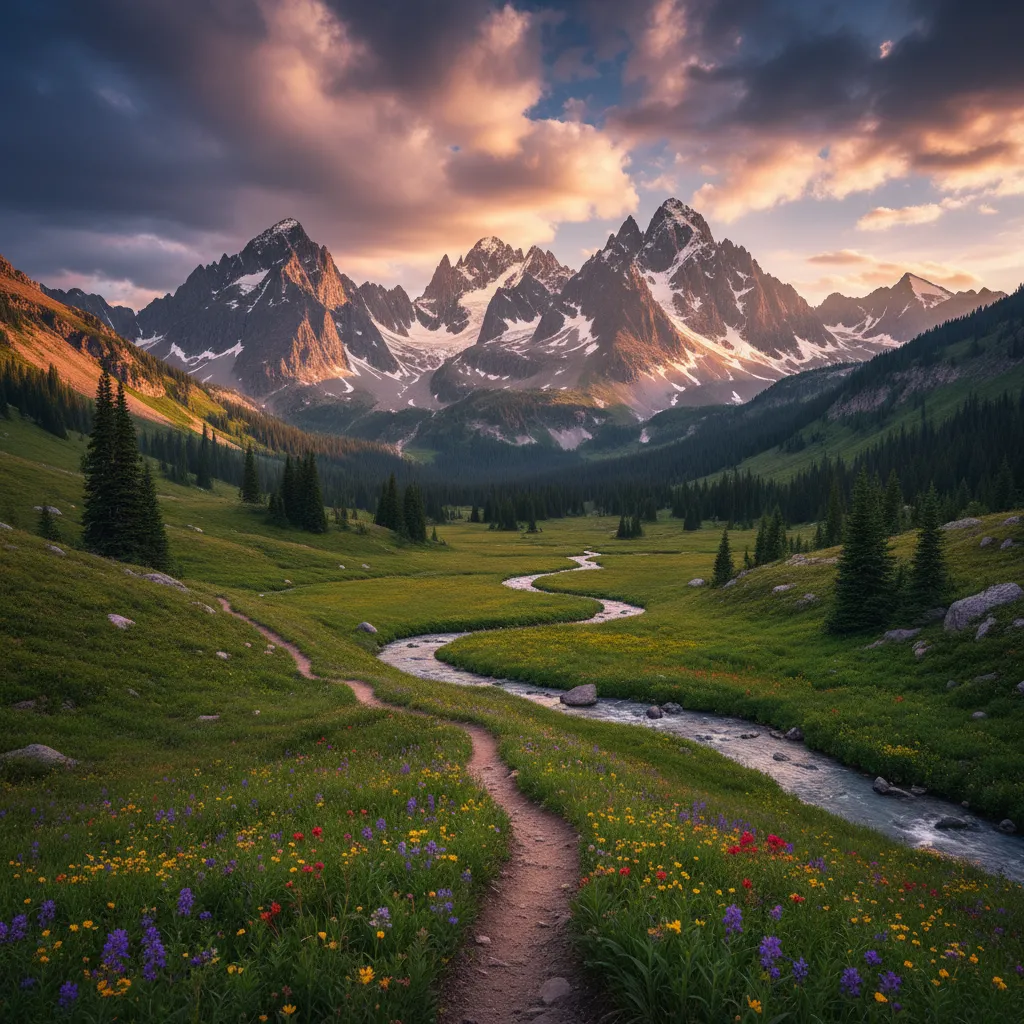
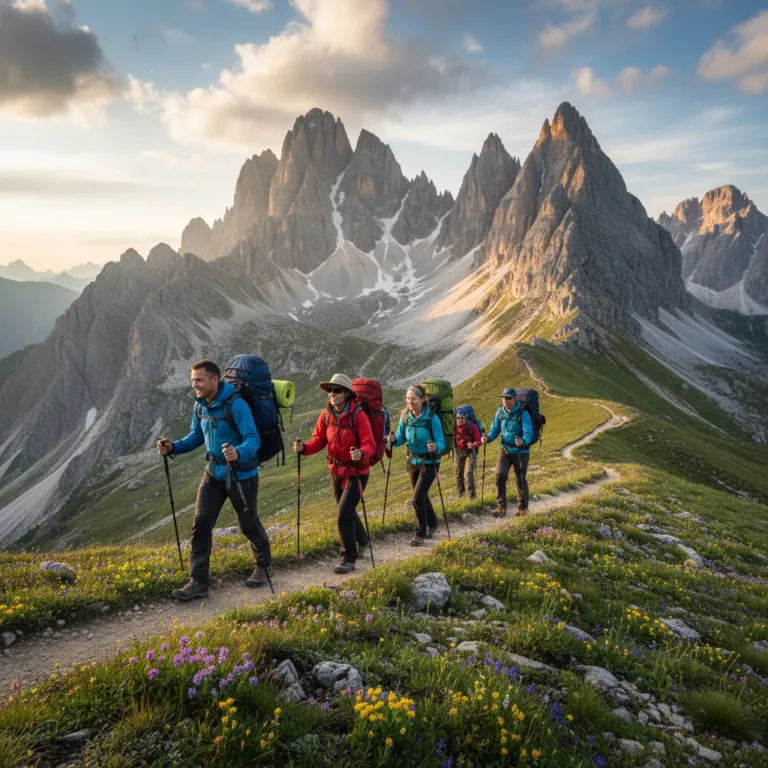
Few experiences rival the thrill of a multi-day trek through breathtaking landscapes. Whether you are drawn to misty mountain passes, ancient pilgrimage routes, or lush rainforest valleys, these five routes represent the best trekking experiences on the planet.
Key Takeaways
The world’s five greatest multi-day treks are the Tour du Mont Blanc, Camino de Santiago, Inca Trail, Laugavegur Trail, and the English Lake District fells, ranging from easy pilgrimage paths to demanding alpine circuits.
- Tour du Mont Blanc: 168 km with 10,000 m of elevation gain, the most physically demanding of the five.
- Camino de Santiago: 790 km French Way, 30 to 35 days, easy to moderate difficulty.
- Inca Trail: 43 km over 4 days through cloud forest, classified challenging.
- Laugavegur Trail: 55 km over 4 to 5 days across Iceland’s volcanic landscapes.
- Preparation: break in your boots 4 to 6 weeks before departure on any of these routes.
1. Tour du Mont Blanc (France/Italy/Switzerland)
Pros
- Each route offers a completely unique landscape and culture
- Well-marked trails with established infrastructure
- Routes suit different fitness levels (beginner to expert)
- Hut-to-hut options eliminate heavy camping gear
- Global community of trekkers on classic routes
- Life-changing experiences accessible without technical climbing skills
Cons
- Popular routes are crowded in peak season
- Permits required for some routes (book months ahead)
- Travel costs to remote locations add up
- Weather windows are narrow on high-altitude routes
Distance: 170 km | Duration: 10-12 days | Difficulty: Moderate
This iconic circuit around Western Europe’s highest peak passes through three countries, offering dramatic Alpine scenery, charming mountain villages, and comfortable refuges. The trail gains and loses roughly 10,000 meters of elevation over its full length.
Our top-rated trek for scenery, infrastructure, and overall experience. Best undertaken July through September.
2. Camino de Santiago (Spain)
Distance: 790 km (French Way) | Duration: 30-35 days | Difficulty: Easy-Moderate
The world’s most famous pilgrimage route crosses northern Spain from the French border to Santiago de Compostela. Excellent infrastructure with abundant accommodation and restaurants. Perfect for Nordic walkers — flat to rolling terrain ideal for poles.
3. Inca Trail to Machu Picchu (Peru)
Distance: 43 km | Duration: 4 days | Difficulty: Challenging
This legendary trail climbs through cloud forests and past Inca ruins, culminating in the sunrise arrival at Machu Picchu. Limited to 500 permits per day. Book 6-12 months in advance.
4. Laugavegur Trail (Iceland)
Distance: 55 km | Duration: 4-5 days | Difficulty: Moderate-Challenging
Otherworldly landscapes of colored rhyolite mountains, steaming hot springs, glacial rivers, and black sand deserts. Best hiked late June through early September. Trekking poles are essential for river crossings.
5. Lake District Fells (England)
Distance: Varies | Duration: Day hikes to week-long routes | Difficulty: Easy-Challenging
England’s most beautiful national park offers endless route options — from gentle lakeside strolls to challenging fell scrambles. Accessible, well-marked, and with cozy pubs at the end of every trail.
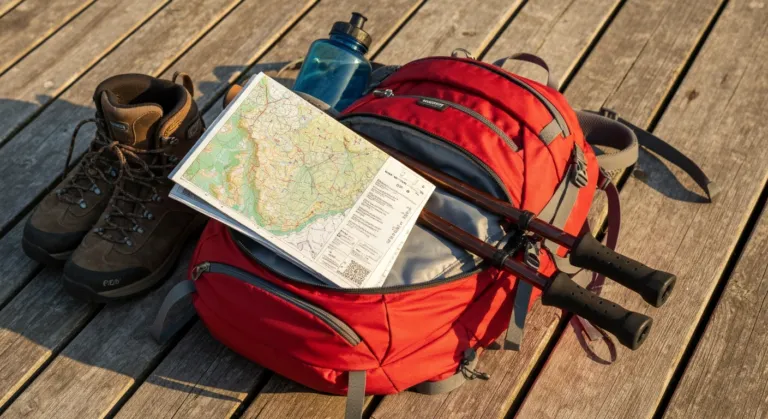
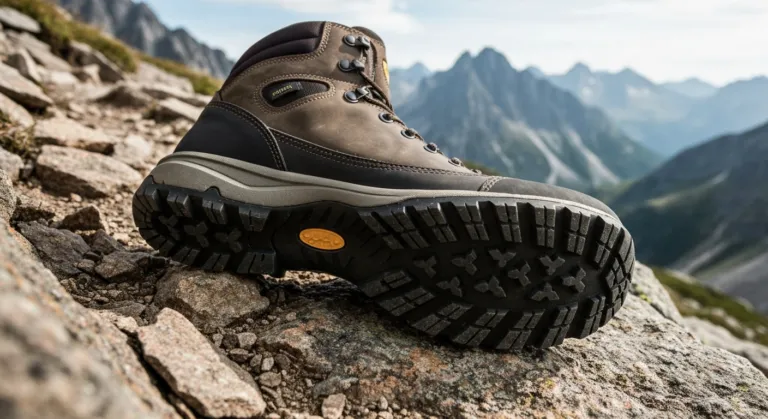
For any multi-day trek, break in your boots at least 4-6 weeks before departure. Walk in them on similar terrain for progressively longer distances. Blisters are the number one reason trekkers abandon their route.
Osprey Atmos AG 65 — Best Trekking Backpack →
Salomon X Ultra 4 — Best All-Around Hiking Boots →
Garmin inReach Mini 2 — Stay Connected on Trail →
📚 See also:
- microadventures close to home — Microadventures Guide
- packrafting for land-and-water adventures — Packrafting Guide
Planning Your Route: Permits, Seasons, and Logistics
The five routes in this guide range from highly accessible (Lake District, Camino de Santiago) to logistically complex (Inca Trail, Laugavegur). Planning windows differ dramatically between them, and underestimating this is the most common mistake among first-time long-distance trekkers.
Inca Trail is the most restricted: the Peruvian government caps the trail at 500 hikers per day and permits sell out 6+ months in advance for July and August. Independent trekking is not permitted — you must go with a licensed operator. Book in February or March for peak season.
Tour du Mont Blanc hut reservations fill rapidly for July and August. The route circles Mont Blanc across France, Italy, and Switzerland in 11 days. A common strategy: book the first and last nights, then fill remaining nights as you walk — most huts hold back some spaces for walk-ins, but this is risky in peak season.
The Best Trekking Season for Each Route
- Tour du Mont Blanc: July–September (snow-clear passes, reliable weather)
- Camino de Santiago: May–June or September–October (avoid summer heat and crowds)
- Inca Trail: May–September dry season (wet season trail often closes in February)
- Laugavegur (Iceland): Late June–August only (huts open, snow clear)
- Lake District: May–October (November–April viable with experience and appropriate gear)
For your first multi-day trek, the Camino de Santiago or Lake District offer the best combination of logistics, infrastructure, and accessibility. Both are well-marked, have abundant accommodation options, and can be started without advance booking in shoulder season.
Practical Preparation for Each of the Top 5 Routes
Each of the world’s great trekking routes has a specific preparation profile. Generic fitness advice — “get in shape” — is insufficient. Here is what each route actually demands from a physical preparation standpoint.
Tour du Mont Blanc (168km, 10,000m elevation gain): The most physically demanding of the five. Requires sustained uphill and downhill hiking for 7-11 consecutive days. Eccentric quad strength (downhill capacity) is the primary physical limiter for most hikers on the TMB. Prepare with at least 8 weeks of regular downhill hiking on a grade of 15%+ before attempting this route. A hiking fitness level that handles a 20km day with 1,200m descent without significant quad failure is the minimum target.
Camino de Santiago (790km, low elevation): The physical challenge is duration and daily repetition, not terrain. The route is almost entirely flat to rolling. The primary preparation need is foot and ankle conditioning for consecutive 25-35km days. Blister prevention knowledge and properly broken-in footwear matter more here than cardiovascular fitness. Most reasonably active people can complete the Camino with 6-8 weeks of progressive walking preparation.
Inca Trail (43km, 4,200m max altitude): Altitude is the primary challenge, not distance. The route is short but involves significant altitude gain on Day 2 (Dead Woman’s Pass at 4,215m). Altitude acclimatization in Cusco (3,400m) for 2-3 days before starting the trek is essential. Physical preparation matters less than altitude management — fit athletes frequently struggle more than less-fit but well-acclimatized hikers.
Laugavegur Trail (55km, Iceland): Weather unpredictability is the defining challenge. Physical preparation should include multiple rainy, windy day-hikes in full waterproofs to understand how your body (and gear) performs in adverse conditions. The route crosses several unbridged rivers that require careful foot placement — ankle stability training is specifically valuable here.
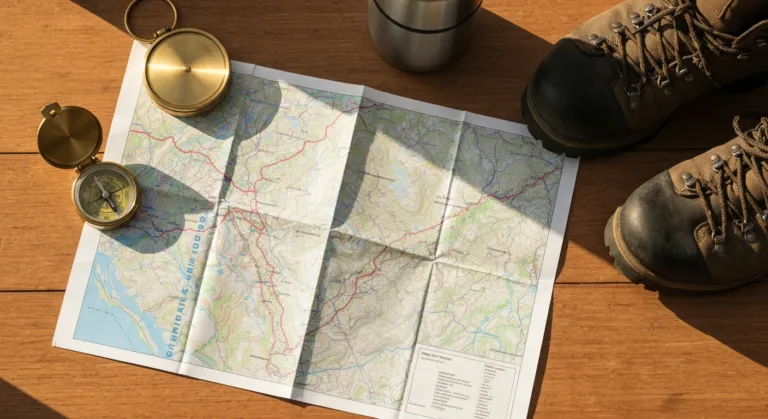
Lake District (variable): The most accessible of the five. A generally fit person can complete Lake District ridge walks without specialized preparation, but the rocky, unmaintained terrain requires ankle-stable footwear and a comfortable level of map/compass navigation.
Booking, Permits and Logistics: What to Sort First
The logistical lead time for each of the top 5 routes varies significantly and is one of the most common planning failures for first-time trekkers who underestimate the booking complexity of popular routes.
Tour du Mont Blanc: No trail permit required, but mountain hut (refuge) bookings are essential for July and August. Huts accept reservations from January for the following summer season. Popular huts on the classic route fill completely for peak-season dates within days of opening. Book immediately when reservations open or plan an off-peak September trip when huts have availability and trails are quieter.
Camino de Santiago: No permits, no bookings required for albergues (pilgrim hostels), which operate on a first-come-first-served basis. This simplicity is part of the appeal. The tradeoff is no accommodation guarantee — arrive at albergues by early afternoon during peak season (May-September) or risk being turned away. Private rooms in small guesthouses along the route can be booked in advance.
Inca Trail: Strictly permit-controlled. The Peruvian government limits the trail to 500 people per day (including porters and guides). Permits sell out 5-7 months in advance for peak season dates (June-August). You must book through a licensed operator — independent trekking on the Inca Trail is not permitted. Budget USD 500-900 per person for a reputable 4-day guided trip including permit, porter, cook, and camping equipment.
Laugavegur Trail: No permit required. Huts managed by the Icelandic Touring Association can be pre-booked online and sell out for peak season (July-August). A camping option exists at each hut location for permit holders, but camping requires separate booking. Iceland weather is famously variable — build 1-2 flex days into your itinerary for weather delays at river crossings or mountain passes.
Lake District: No permits or hut bookings required for day walking. For multi-day routes using BnB or hostel accommodation, book 2-3 months ahead for summer. Wild camping is technically not permitted in England outside designated campsites, unlike Scotland where the Land Reform Act allows responsible wild camping everywhere.
Frequently Asked Questions
What is the best time of year for trekking?
It depends on the region. Spring and autumn are ideal for most European and North American routes. Summer is best for Nordic routes. Research your specific destination for optimal seasons.
Do I need a guide for trekking?
For well-marked trails with good infrastructure, self-guided trekking is fine. For remote areas, high-altitude routes, or unfamiliar regions, a local guide significantly improves safety and experience.