7 Sacred Pilgrimage Routes You Can Walk: Camino, Via Francigena, Kumano Kodo & More
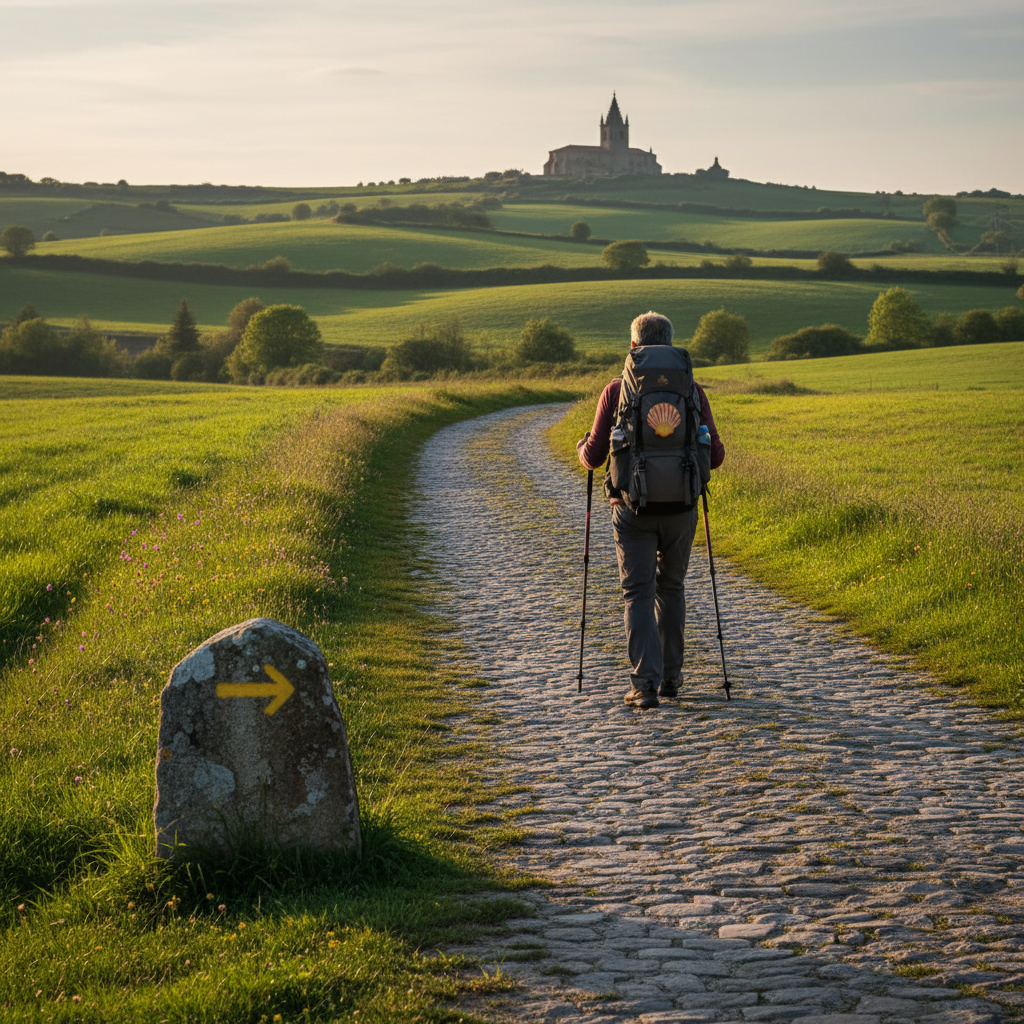
Long before “thru-hiking” was a hashtag, pilgrims walked thousands of miles to sacred sites — across deserts, over mountain passes, through medieval villages. These ancient routes still exist. And they are experiencing a renaissance: over 400,000 people walked the Camino de Santiago in 2025 alone. Pilgrimage walking is not about religion anymore (though it can be). It is about stripping life down to the essentials — one step, one road, one day at a time. Here are the world’s greatest pilgrimage routes and everything you need to walk them.
Key Takeaways
The seven great pilgrimage walks – led by Spain’s 800 km Camino de Santiago – blend long-distance trekking with cultural and spiritual history, ranging from 80 km to 1,900 km.
- Camino de Santiago: 800 km French Way, walked by over 400,000 people a year.
- Via Francigena: 1,900 km from Canterbury to the Vatican, over the Swiss Alps.
- Kumano Kodo: 80-160 km of ancient Shinto-Buddhist trails on Japan’s Kii Peninsula.
- Range: routes span 80 km up to the 1,900 km Via Francigena across seven countries and continents.
- Transformation: on the Camino, the first 400 km is where the real change tends to happen.
The 7 Greatest Pilgrimage Routes in the World
1. Camino de Santiago — Spain (500 miles / 800 km)
The most famous pilgrimage on Earth. From Saint-Jean-Pied-de-Port on the French border to the Cathedral of Santiago de Compostela in Galicia. Walkers follow yellow arrow waymarks across the Pyrenees, the Meseta (central plateau), rolling vineyards, and Galician forests. Takes 30-35 days at 15 miles/day.
| Detail | Info |
|---|---|
| Route | Camino Francés (most popular of 10+ variants) |
| Distance | 500 miles / 800 km |
| Duration | 30-35 days |
| Difficulty | Moderate — long days but well-marked, good infrastructure |
| Best Season | April-June, September-October (avoid July-August heat) |
| Accommodation | Albergues (pilgrim hostels) every 5-15 km, €6-12/night |
| Credential | Required — stamped at each stop, presented in Santiago for Compostela certificate |
| Daily Cost | €30-50 (budget) / €60-100 (comfort) |
Walk the last 100 km minimum (from Sarria) to earn the official Compostela certificate. But if you have time, do the full Francés — the first 400 km is where the real transformation happens. The Meseta is where pilgrims break down and rebuild.
2. Via Francigena — Italy to Vatican City (1,200 miles / 1,900 km)
The “road to Rome.” From Canterbury, England through France, over the Swiss Alps, and down the Italian peninsula to St. Peter’s Square in Vatican City. The Italian section (600 miles) is the most walked. Tuscan hills, medieval hilltowns, Roman roads, and vineyards. Less crowded than the Camino with better food.
| Detail | Info |
|---|---|
| Distance | 600 miles (Italy only) / 1,200 miles (full) |
| Duration | 30-40 days (Italy) / 80+ days (full) |
| Difficulty | Moderate to Hard — mountain passes, less infrastructure than Camino |
| Best Season | May-June, September-October |
| Accommodation | Mix of hostels, agriturismos, parish stays — less standardized than Camino |
| Credential | Testimonium available at St. Peter’s Basilica upon completion |
3. Kumano Kodo — Japan (50-100 miles / 80-160 km)
Ancient Shinto-Buddhist pilgrimage through the sacred forests of the Kii Peninsula. Moss-covered stone paths, towering cedar trees, hidden shrines, and onsen hot springs. UNESCO World Heritage alongside the Camino — the only two pilgrimage routes with that distinction. Shorter but steeper — serious elevation gain daily.
| Detail | Info |
|---|---|
| Distance | 50-100 miles (multiple route options) |
| Duration | 4-7 days (Nakahechi route) |
| Difficulty | Moderate to Hard — steep mountain trails, stone steps |
| Best Season | March-May, October-November (cherry blossoms or autumn foliage) |
| Accommodation | Ryokans, minshuku (guesthouses), temples — must book in advance |
| Special | Dual Pilgrim certificate with Camino de Santiago |
4. The Way of St. Francis — Italy (340 miles / 550 km)
From Florence or La Verna to Assisi and on to Rome, following the footsteps of St. Francis. Through Umbria’s green heart — olive groves, hilltop monasteries, and medieval walled towns. Less known than the Camino or Via Francigena, meaning genuine solitude and authentic encounters. The most spiritual of all the Italian routes.
| Detail | Info |
|---|---|
| Distance | 340 miles / 550 km (Florence to Rome via Assisi) |
| Duration | 25-30 days |
| Difficulty | Moderate — hilly Umbrian terrain, some forest trails |
| Best Season | April-June, September-October |
| Accommodation | Convents, monasteries, agriturismos, B&Bs |
5. Abraham Path — Middle East (600+ miles / 1,000 km)
A cultural walking route through the lands of Abraham — Turkey, Jordan, Palestine, and Israel. Not a traditional pilgrimage but a peace-building initiative connecting communities through walking. Desert canyons, Bedouin villages, ancient cities, and the Dead Sea. The most adventurous route on this list.
| Detail | Info |
|---|---|
| Distance | 600+ miles across multiple countries |
| Duration | Walk sections (most popular: Jordan, 10-14 days) |
| Difficulty | Hard — desert terrain, heat, limited water, basic infrastructure |
| Best Season | March-April, October-November (avoid summer heat) |
| Accommodation | Homestays with local families — the highlight of the route |
6. St. Olav’s Way — Norway (400 miles / 640 km)
From Oslo to the medieval cathedral of Nidaros (Trondheim). Through Norwegian forests, past Viking-age farms, over the Dovre Mountains. The northern alternative to the Camino — midnight sun in summer, genuine wilderness, and far fewer pilgrims. This is where Nordic walking meets its spiritual origin.
| Detail | Info |
|---|---|
| Distance | 400 miles / 640 km |
| Duration | 30-35 days |
| Difficulty | Moderate to Hard — mountain terrain, weather exposure, remote sections |
| Best Season | June-August (only viable window due to snow) |
| Special | Nordic walking is the natural way to walk this route — poles are essential |
7. Shikoku Pilgrimage — Japan (750 miles / 1,200 km)
The 88-temple circuit around Japan’s smallest main island. Buddhist walking meditation in its purest form — white-clad henro (pilgrims) walk clockwise visiting each temple. Takes 30-60 days on foot. Ancient cedar forests, Pacific coast, mountain temples, and the legendary hospitality of osettai (gifts from locals to pilgrims).
| Detail | Info |
|---|---|
| Distance | 750 miles / 1,200 km (full circuit) |
| Duration | 30-60 days on foot |
| Difficulty | Hard — long distance, mountain temples, hot/humid summers |
| Best Season | March-May, October-November |
| Accommodation | Temple lodgings (shukubo), minshuku, business hotels |
| Special | Walking henro wear white — symbolic of readiness for death and rebirth |
Pilgrimage Route Comparison
| Route | Distance | Days | Difficulty | Cost/Day | Crowds |
|---|---|---|---|---|---|
| Camino de Santiago | 500 mi | 30-35 | ⭐⭐ | €30-50 | High |
| Via Francigena | 600 mi | 30-40 | ⭐⭐⭐ | €40-70 | Low |
| Kumano Kodo | 50-100 mi | 4-7 | ⭐⭐⭐ | ¥8,000-15,000 | Medium |
| Way of St. Francis | 340 mi | 25-30 | ⭐⭐ | €35-60 | Very Low |
| Abraham Path | 600+ mi | 10-14 (section) | ⭐⭐⭐⭐ | $30-50 | Very Low |
| St. Olav’s Way | 400 mi | 30-35 | ⭐⭐⭐ | NOK 500-800 | Very Low |
| Shikoku 88 | 750 mi | 30-60 | ⭐⭐⭐⭐ | ¥5,000-12,000 | Low |
Essential Gear for Pilgrimage Walking
A pilgrimage strip you down to essentials. Your pack should weigh no more than 10% of your body weight — ideally 15-18 lbs (7-8 kg) total. Every gram matters at mile 400.
The Pilgrimage Pack
Osprey Exos 58
Ultralight (2 lbs 5 oz) · AirSpeed suspension · 58L · Fits 30-day trek · Hip belt pockets
Feet: Your Only Vehicle
Blisters end more pilgrimages than anything else. Prevention is everything:
Compeed Blister Cushions
Hydrocolloid technology · Stays on for days · Absorbs pressure · Heals while you walk
Body Glide Anti-Chafe Balm
Prevents blisters before they start · Apply to feet, thighs, anywhere skin rubs · Lasts all day
Darn Tough Hiker Boot Socks
Merino wool · Full cushion · Lifetime warranty · Moisture-wicking · Anti-blister
Sleep: Hostel Essentials
Most pilgrim hostels (albergues) provide a bed but not bedding. You need a sleep liner — lighter than a sleeping bag, good enough for indoor use, and protects against questionable mattresses.
Cocoon Travel Sheet
Silk/cotton blend · 8 oz · Doubles as sleeping bag liner · Pillow pocket · Compact stuff sack
Sea to Summit Aeros Ultralight Pillow
2.1 oz · Packs to fist size · 50D brushed polyester · Inflatable · Luxurious for the weight
Poles: Your Third and Fourth Legs
On a 500-mile walk, trekking poles reduce knee impact by 25% and improve stability on descents. Compact, foldable poles fit inside or alongside your pack when not in use.
Leki Micro Vario Carbon
Carbon fiber · Folds to 15 inches · 7.4 oz per pole · Speed Lock+ · Aergon grip
Protection and Comfort
Tilley LTM6 Airflo Hat
UPF 50+ · Floats · Lifetime guarantee · Mesh ventilation · Ties down in wind
ExOfficio Give-N-Go Boxer Briefs
Quick-dry · Anti-microbial · Wash-and-wear · Pack 2 pairs for 30+ days · Breathable mesh
Sea to Summit Ultra-Sil Dry Bag
Waterproof · Siliconized nylon · 1 oz · Keeps electronics and clothes dry in rain
Guidebooks
A Pilgrim’s Guide to the Camino de Santiago (Brierley)
The bible of the Camino · Stage-by-stage maps · Elevation profiles · Albergue listings · Updated annually
The Pilgrimage Packing List
| Category | Item | Weight |
|---|---|---|
| Pack | Osprey Exos 58 (or 40L for summer) | 2 lbs 5 oz |
| Feet | Broken-in trail shoes or boots | 1 lb 8 oz |
| Feet | Camp sandals (Xero Z-Trail) | 6 oz |
| Feet | 2 pairs merino socks (Darn Tough) | 4 oz |
| Clothing | 2 merino t-shirts | 8 oz |
| Clothing | 1 zip-off hiking pants | 10 oz |
| Clothing | 1 rain jacket (Patagonia Torrentshell) | 11 oz |
| Clothing | 1 fleece mid-layer | 8 oz |
| Clothing | 2 pairs ExOfficio underwear | 4 oz |
| Sleep | Cocoon Travel Sheet | 8 oz |
| Sleep | Sea to Summit Pillow | 2 oz |
| Walk | Trekking poles (Leki Micro Vario) | 15 oz |
| Sun | Tilley hat + sunscreen | 6 oz |
| Blister | Compeed + Body Glide + tape | 3 oz |
| Water | 1L bottle + filter | 6 oz |
| Tech | Phone + charger + adapter | 8 oz |
| Docs | Credential + passport + cash | 4 oz |
| TOTAL | ~8 lbs (3.6 kg) gear only |
Why Nordic Walking Technique Matters on a Pilgrimage
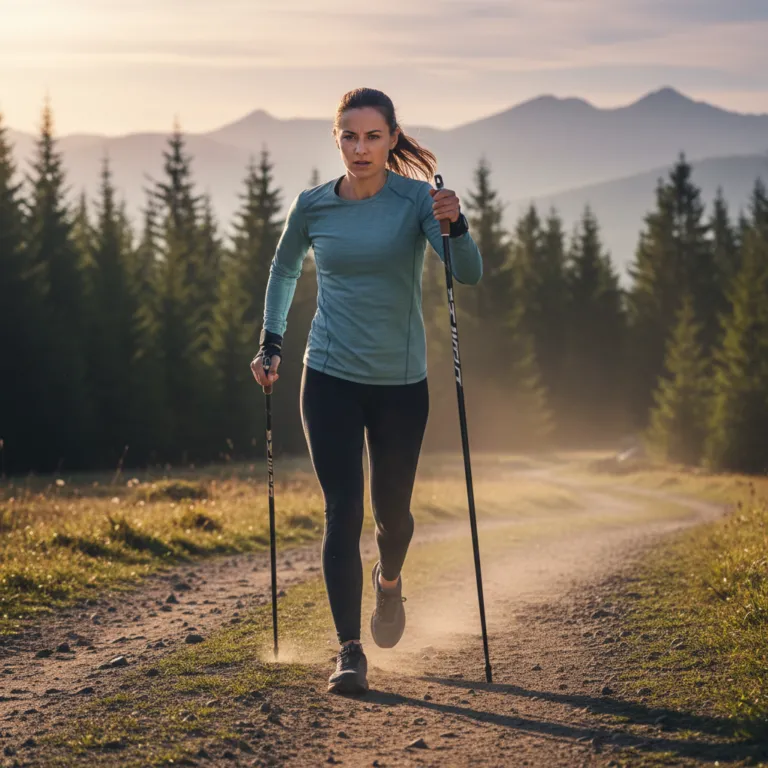
Proper Nordic walking technique is not just for fitness parks — it is a pilgrimage survival skill:
- 25% less knee impact — over 500 miles, that is thousands of fewer high-impact steps
- Upper body engagement — distributes workload from legs to arms, delaying fatigue by hours
- Better posture — prevents the “pilgrim hunch” that develops from carrying a pack all day
- Faster recovery — full-body movement promotes blood flow and reduces next-morning stiffness
Learn the proper technique before you go: The Biomechanics of a Perfect Step.
Bottom Line
A pilgrimage is the original long-distance walk. No GPS needed — just follow the yellow arrows, the red-and-white blazes, or the moss-covered stones. Pack light, protect your feet, carry poles, and leave space for whatever the road brings you.
The path provides. You just have to start walking.
Buen Camino.
📚 See also:
- local microadventures — Microadventures Guide
- packrafting for multi-terrain journeys — Packrafting Guide

About the Author
Alex Mercer — INWA Level 2 Nordic Walking Instructor
Certified by the International Nordic Walking Federation (INWA) since 2019, Alex has coached 500+ walkers from beginners to ultra-distance competitors. Sports science background with a focus on biomechanics, gait analysis, and evidence-based training protocols. Regular contributor to walking and outdoor publications.