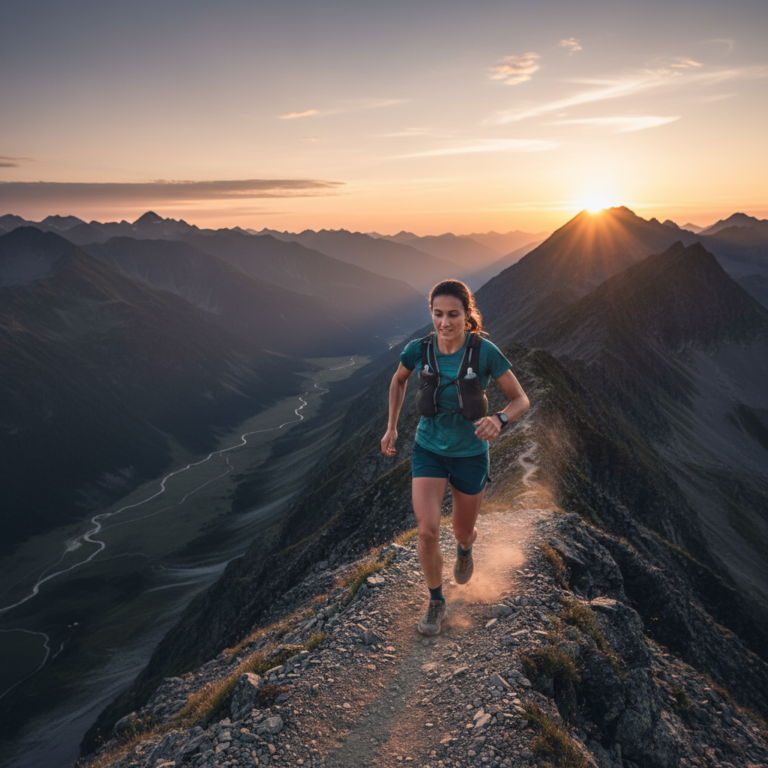
DNA Testing for Nordic Walking: How Your Genes Can Optimize Your Training
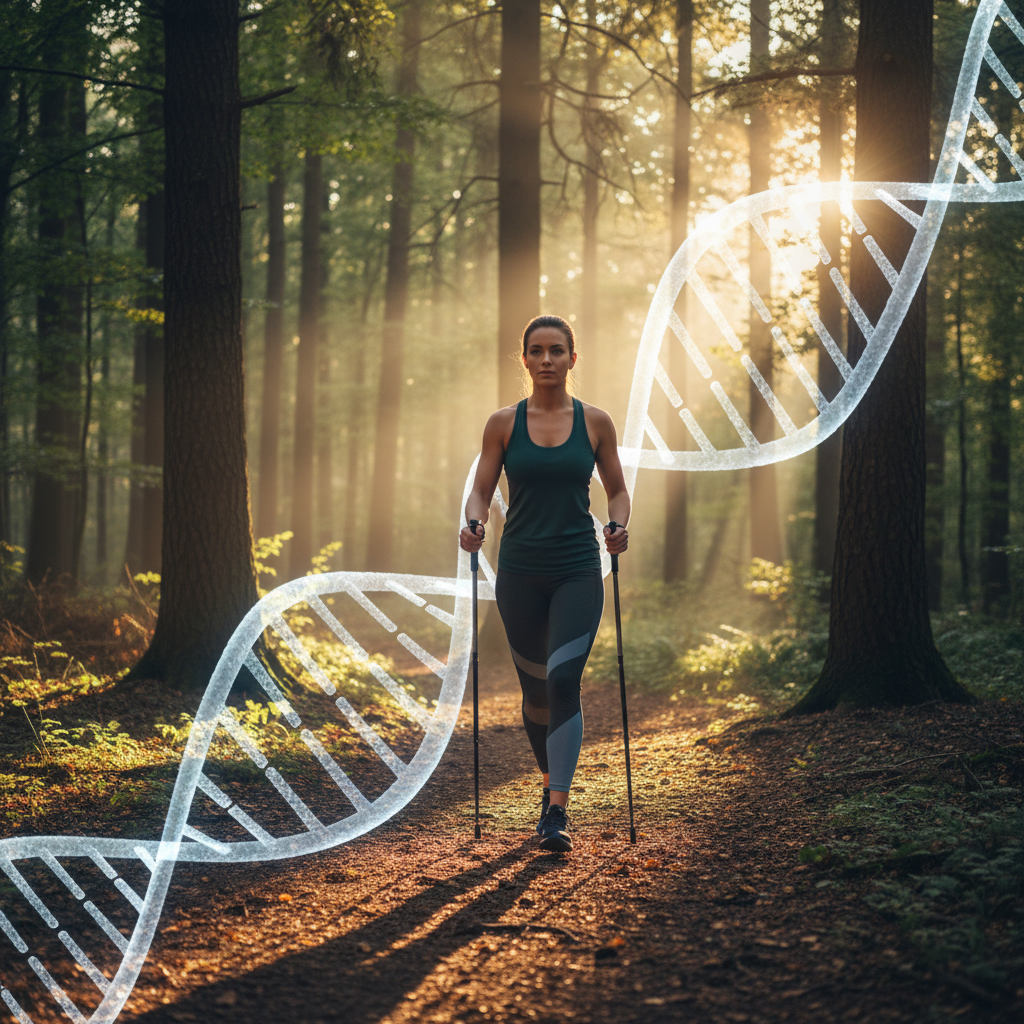
What if your DNA could tell you the ideal walking intensity, recovery time, and injury risk — before you even lace up? DNA testing is no longer science fiction. A simple cheek swab now reveals genetic traits that directly impact how your body responds to Nordic walking: endurance capacity, joint resilience, muscle fiber composition, and nutrient absorption.
Key Takeaways
DNA testing can personalize Nordic walking by revealing genetic traits – endurance capacity, muscle fiber type, and inflammation response – that shape ideal training intensity, injury risk and recovery time.
- ACE gene: the I/I variant favours longer steady-state walks; the D/D variant responds better to short high-intensity intervals.
- ACTN3 gene: determines your muscle fiber composition (endurance vs power).
- Recovery genes: IL-6 and TNF variants indicate how many rest days you actually need.
- Prevalence: about 18% of the population carries the noted power-oriented variant.
- Use case: a single cheek swab informs intensity, injury prevention, nutrition and recovery planning.
Why DNA Testing Matters for Nordic Walking
Nordic walking engages 90% of your muscles and adapts to every fitness level — but your genetics determine how your body responds to the training stimulus. Two walkers following the same program can get drastically different results. DNA testing explains why and helps you train smarter.
What Your Genes Reveal About Your Walking Performance
- Muscle fiber type (ACTN3 gene) — Are you genetically wired for endurance (slow-twitch dominant) or power (fast-twitch)? This determines your optimal walking pace and interval structure.
- VO2max potential (ACE, PPARGC1A genes) — Your aerobic ceiling affects how quickly you build cardiovascular fitness through Nordic walking.
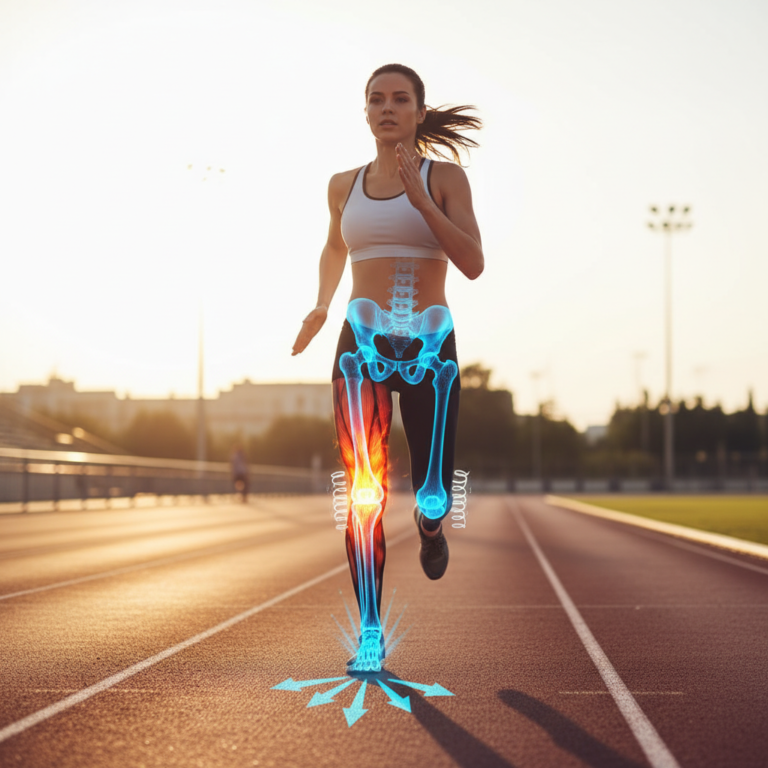
- Injury susceptibility (COL5A1, GDF5 genes) — Tendon and ligament genetics predict your risk of Achilles, knee, and shoulder injuries — critical for pole technique.
- Recovery speed (IL-6, TNF genes) — Inflammation response genes tell you how many rest days you actually need between sessions.
- Fat metabolism (FTO, ADRB2 genes) — Some people burn fat more efficiently during moderate-intensity exercise like Nordic walking. Your DNA reveals your optimal fat-burning zone.
- Nutrient processing (MTHFR, VDR genes) — Vitamin D absorption, folate metabolism, and caffeine sensitivity all affect walking performance and bone health.
How to Use DNA Results for Nordic Walking
1. Optimize Your Training Intensity
If your DNA shows high endurance capacity (favorable ACE I/I genotype), you will benefit most from longer, steady-state Nordic walks of 60-90 minutes at moderate heart rate (Zone 2). If you carry the power-oriented ACE D/D variant, shorter high-intensity interval walks with poles — 30 minutes with pace bursts — may deliver better fitness gains.
Your ACTN3 gene determines muscle fiber composition. The “sprint gene” (R577X) variant means you have fewer fast-twitch fibers — you are naturally built for endurance activities like Nordic walking. About 18% of the population has this variant.
2. Prevent Injuries Before They Happen
The COL5A1 gene affects collagen structure in tendons and ligaments. Variants associated with looser connective tissue mean you need to pay extra attention to:
- Proper pole strap technique to protect wrist tendons
- Gradual distance increases (no more than 10% per week)
- Pre-walk dynamic stretching for shoulders and Achilles
- Supportive footwear with adequate ankle stability
Knowing your genetic injury risk can prevent months of forced rest. Nordic walkers with high-risk COL5A1 variants should also consider poles with shock absorption systems to reduce joint impact.
3. Dial In Your Nutrition
Your MTHFR gene determines how efficiently you process folate — essential for red blood cell production and oxygen transport during exercise. Variants in the VDR gene affect calcium and Vitamin D absorption, directly impacting bone density (critical for high-mileage walkers).
A DNA-based nutrition plan can tell you whether you need:
- Extra Vitamin D supplementation for bone health
- More omega-3 fatty acids for joint inflammation
- Adjusted carb-to-fat ratios for optimal energy during walks
- Caffeine timing (CYP1A2 gene determines if caffeine helps or hurts your performance)
For more on nutrition strategies, see our Nordic Walking Nutrition Guide.
4. Plan Your Recovery
The IL-6 gene influences your inflammatory response to exercise. If you carry the high-inflammation variant, you may need 48-72 hours between intense Nordic walking sessions instead of 24. Your DNA results help you build a weekly schedule that matches your body’s actual recovery capacity — not a generic template.
Check our Training Program Builder to create a DNA-informed walking plan.
DNA Test Comparison: Which Test Is Right for Nordic Walkers?
Not all DNA tests are created equal. Some focus on ancestry, others on health, and a few specifically test fitness and sport genetics. Here is our comparison of the best options available:
| DNA Test | Best For | Key Reports | Genes Tested | Results Time | Buy |
|---|---|---|---|---|---|
| 24Genetics Sport DNA | Sport Performance | Endurance, power, injury risk, recovery, VO2max, muscle profile | 700,000+ markers | 4-6 weeks | Check Price |
| tellmeGen Advanced | All-in-One | Health + fitness + wellness + ancestry + pharmacogenetics (400+ reports) | 750,000+ markers | 4-6 weeks | Check Price |
| Genovate Diet & Fitness | Diet + Exercise | Athletic endurance, power, muscle strength, recovery, injury risk, weight management | Targeted panel | 3-4 weeks | Check Price |
| 23andMe Health+ | Health Predispositions | Health risks, carrier status, wellness traits, muscle composition, weight | 650,000+ markers | 3-5 weeks | Check Price |
| Nebula Genomics 30x WGS | Deep Analysis | 100% genome decoded — all 20,000+ genes, weekly updated reports | 6.4 billion base pairs | 8-10 weeks | Check Price |
| AncestryDNA + Traits | Ancestry + Traits | 1,800+ regions, 35+ trait reports (nutrition, sensory, fitness-adjacent) | 700,000+ markers | 6-8 weeks | Check Price |
| Living DNA Wellbeing | Nutrition + Ancestry | Vitamin metabolism, food sensitivities, exercise response, ancestry | Targeted panel | 6-8 weeks | Check Price |
| MyHeritage DNA | Budget Ancestry | Ethnicity breakdown, 2,114 regions, DNA matching (no health/fitness) | Targeted panel | 3-4 weeks | Check Price |
Our Recommendation
Runner-up: The tellmeGen Advanced is the best all-in-one option if you want health, fitness, pharmacogenetics, and ancestry in a single test (400+ reports).
Budget pick: Genovate Diet & Fitness covers the core fitness genes at a lower price point — endurance, power, recovery, and injury risk.
Which Genes Matter Most for Nordic Walking?
| Gene | What It Controls | Impact on Nordic Walking | Tested By |
|---|---|---|---|
| ACTN3 | Muscle fiber type (fast/slow twitch) | Determines optimal pace and session duration | 24Genetics, tellmeGen, Genovate, 23andMe |
| ACE | Cardiovascular endurance | Affects VO2max response to aerobic training | 24Genetics, tellmeGen, Genovate |
| COL5A1 | Tendon/ligament collagen | Predicts injury risk in shoulders, wrists, Achilles | 24Genetics, tellmeGen |
| IL-6 | Inflammation response | Determines recovery time between sessions | 24Genetics, tellmeGen |
| FTO | Fat metabolism | Reveals your fat-burning efficiency during walks | 23andMe, tellmeGen, Genovate, Nebula |
| PPARGC1A | Mitochondrial biogenesis | Affects endurance adaptation speed | 24Genetics, Nebula |
| MTHFR | Folate metabolism | Impacts red blood cell production, oxygen transport | 23andMe, tellmeGen, Nebula |
| VDR | Vitamin D receptor | Affects bone density — critical for high-mileage walkers | tellmeGen, Nebula, Living DNA |
| CYP1A2 | Caffeine metabolism | Fast vs. slow metabolizer — pre-walk coffee helpful or harmful? | 23andMe, tellmeGen |
| GDF5 | Joint cartilage development | Predicts osteoarthritis risk in knees and hips | 24Genetics, tellmeGen |
How to Take a DNA Test: Step by Step
- Order your kit — Choose a test from the table above. The kit ships to your door.
- Collect your sample — Most tests use a simple cheek swab or saliva tube. Takes 2 minutes.
- Mail it back — Use the prepaid return envelope included in the kit.
- Wait for results — Processing takes 3-10 weeks depending on the test.
- Apply the insights — Use the gene-specific recommendations in this article to adjust your Nordic walking program.
DNA tests reveal genetic predispositions, not destiny. Your training, nutrition, and consistency still determine 60-80% of your results. Think of DNA data as a compass — it points you in the right direction, but you still have to walk the path.
Real-World Application: A DNA-Optimized Nordic Walking Week
Here is an example of how DNA results translate into a training schedule. This is for a walker with the endurance-favored ACE I/I genotype, moderate COL5A1 injury risk, and slow IL-6 recovery:
| Day | Session | Duration | DNA Rationale |
|---|---|---|---|
| Monday | Long steady walk (Zone 2) | 75 min | ACE I/I favors endurance — long sessions build aerobic base |
| Tuesday | Rest / gentle stretching | 20 min | Slow IL-6 recovery needs 48h after long effort |
| Wednesday | Moderate walk + technique focus | 45 min | COL5A1 risk — keep midweek sessions moderate |
| Thursday | Rest / foam rolling | 15 min | Recovery day for connective tissue |
| Friday | Interval walk (Zone 3-4 bursts) | 35 min | Short high-intensity to build VO2max despite endurance genotype |
| Saturday | Trail walk (varied terrain) | 60 min | FTO fat metabolism peaks during moderate-intensity outdoor work |
| Sunday | Active recovery walk | 30 min | Easy pace to promote blood flow without triggering inflammation |
Who Should Get a DNA Test?
- Nordic walkers hitting a plateau — If you have been walking consistently but results have stalled, your training may not match your genetic profile.
- Injury-prone walkers — Recurring shoulder, wrist, or knee issues may have a genetic component. DNA data helps you train around your weaknesses.
- Seniors starting Nordic walking — Understanding your bone density and inflammation genes helps design a safe age-appropriate program.
- Walkers with weight loss goals — Your FTO and ADRB2 genes reveal whether your body favors fat-burning through endurance or interval training.
- Competitive Nordic walkers — Fine-tune every variable: pace, nutrition timing, caffeine use, recovery windows.
Limitations of DNA Testing
DNA testing is a powerful tool, but it has boundaries:
- Genetics is not destiny. Environmental factors (training, nutrition, sleep) account for the majority of fitness outcomes.
- Results need interpretation. Raw genetic data requires context. Use the gene table above to understand what each marker means for your walking.
- Not a medical diagnosis. DNA tests from consumer kits are not clinical-grade diagnostics. For health concerns, consult your physician.
- One-time investment. Your DNA does not change — you only need to test once. The insights apply for life.
Bottom Line
A DNA test is the most underutilized tool in a Nordic walker’s toolkit. For a one-time investment, you get lifetime data on your muscle type, injury risk, recovery needs, and optimal nutrition. The 24Genetics Sport DNA is our top pick for walkers who want sport-specific insights. For a broader health picture, the tellmeGen Advanced covers 400+ reports including fitness, health, and ancestry.
Your genes wrote the playbook. Now read it.

About the Author
Alex Mercer — INWA Level 2 Nordic Walking Instructor
Certified by the International Nordic Walking Federation (INWA) since 2019, Alex has coached 500+ walkers from beginners to ultra-distance competitors. Sports science background with a focus on biomechanics, gait analysis, and evidence-based training protocols. Regular contributor to walking and outdoor publications.