Nordic Walking and Cancer Prevention: What the Research Shows

Can something as simple as walking with poles reduce your cancer risk? A growing body of peer-reviewed research suggests yes — and Nordic walking may offer distinct advantages over regular walking and even running when it comes to cancer prevention. Here is what science tells us, which types of cancer respond best, and exactly how to structure your walking routine for maximum protective benefit.
KEY FINDING
A 2019 meta-analysis in the British Journal of Sports Medicine found that individuals who engaged in regular moderate-intensity physical activity had a 7-38% lower risk of developing 13 different cancer types compared to sedentary individuals. Nordic walking — at 4.8-5.5 MET — falls squarely in the optimal intensity zone.
Key Takeaways
A growing body of research links Nordic walking to lower cancer risk because engaging up to 90 percent of skeletal muscles triggers a large release of anti-tumor myokines such as IL-6, IL-15 and irisin.
- Muscle activation: up to 90% of skeletal muscles versus 40-50% in regular walking.
- Myokines: high muscle engagement drives release of IL-6, IL-15 and irisin, each with documented anti-tumor properties.
- Intensity sweet spot: at 4.8-5.5 MET, intensity is high enough for protection without immunosuppression.
- Study signal: a 2020 Frontiers in Physiology study found upper-body-engaged walking raised circulating IL-6 by 35% more than lower-body-only walking.
- Four mechanisms: myokine release, immune enhancement, inflammation/insulin regulation, and hormonal balance.
Why Nordic Walking? The Unique Cancer-Prevention Advantage
Regular walking is good. But Nordic walking activates up to 90% of skeletal muscles compared to 40-50% during regular walking. This distinction matters for cancer prevention because muscle contraction triggers the release of myokines — signaling molecules that directly inhibit tumor cell growth, stimulate immune surveillance, and reduce systemic inflammation.
Nordic walking combines three cancer-fighting mechanisms that no other single exercise delivers simultaneously:
1. Full-Body Muscle Activation
90% muscle engagement triggers massive myokine release — IL-6, IL-15, irisin — each with documented anti-tumor properties. Regular walking activates only 40-50% of muscles.
2. Sustained Moderate Intensity
At 4.8-5.5 MET, Nordic walking sits in the sweet spot where cancer-protective benefits peak without triggering the immunosuppressive cortisol spike seen in high-intensity exercise.
3. Low Joint Stress = Consistency
Cancer protection requires years of consistent exercise. Nordic walking’s low impact means fewer injuries and higher long-term adherence than running or gym workouts.
Cancer Risk Reduction by Type: The Data
Not all cancers respond equally to physical activity. Below is a summary of current evidence linking moderate-intensity exercise (including Nordic walking) to reduced risk for specific cancer types. Data is drawn from meta-analyses published between 2016 and 2024.
| Cancer Type | Risk Reduction | Evidence Level | Key Mechanism |
|---|---|---|---|
| Colon / Colorectal | 20-30% | Strong (Level A) | Accelerated gut transit time, reduced insulin/IGF-1 |
| Breast (post-menopausal) | 20-25% | Strong (Level A) | Reduced estrogen, lower body fat, decreased inflammation |
| Endometrial | 20-30% | Strong (Level A) | Weight management, hormonal balance |
| Lung | 20-25% | Moderate (Level B) | Improved pulmonary clearance, enhanced NK cell activity |
| Stomach / Gastric | 15-20% | Moderate (Level B) | Reduced inflammation (IL-6, TNF-alpha), improved gastric motility |
| Prostate | 10-15% | Moderate (Level B) | Hormonal regulation, reduced visceral fat |
| Bladder | 10-15% | Emerging (Level C) | Improved immune surveillance, lower chronic inflammation |
Sources: Moore et al. (2016) JAMA Internal Medicine; Matthews et al. (2020) Journal of Clinical Oncology; WHO Physical Activity Guidelines (2020)
The Biology: How Exercise Fights Cancer
Understanding the biological pathways helps explain why consistency matters more than intensity. Four interconnected mechanisms drive exercise-mediated cancer protection:
Mechanism 1: Myokine Release from Active Muscles
Contracting muscles release signaling molecules called myokines into the bloodstream. The three most relevant to cancer prevention are interleukin-6 (IL-6), which paradoxically acts as an anti-inflammatory agent during exercise; interleukin-15 (IL-15), which activates natural killer cells to patrol for abnormal cells; and irisin, which has been shown to directly inhibit the growth of breast, prostate, and colon cancer cell lines in laboratory studies.
Nordic walking’s advantage: because it activates nearly twice the muscle mass of regular walking, myokine output per session is substantially higher. A 2020 study in Frontiers in Physiology found that upper-body-engaged walking increased circulating IL-6 by 35% more than lower-body-only walking at matched effort levels.
Mechanism 2: Immune System Enhancement
Moderate exercise boosts the activity of natural killer (NK) cells — your immune system’s first line of defense against cancerous cells. NK cells recognize and destroy cells that display abnormal surface markers, effectively performing continuous cancer surveillance. Research shows that a single session of moderate walking increases NK cell count by 50-300% for up to three hours post-exercise. Over years, this daily immune boost translates to significantly fewer cancer cells surviving to form detectable tumors.
Mechanism 3: Inflammation and Insulin Regulation
Chronic low-grade inflammation is now recognized as one of the primary drivers of cancer initiation and progression. Regular exercise reduces circulating levels of C-reactive protein (CRP), tumor necrosis factor alpha (TNF-alpha), and other inflammatory markers by 20-40% over 12 weeks of consistent training. Exercise also improves insulin sensitivity and reduces insulin-like growth factor 1 (IGF-1) — a molecule that promotes cell proliferation and inhibits apoptosis (programmed cell death). High IGF-1 levels are linked to increased risk of colorectal, breast, and prostate cancers.
Mechanism 4: Body Composition and Hormonal Balance
Excess body fat, particularly visceral fat around organs, acts as an endocrine organ that produces estrogen, inflammatory cytokines, and adipokines — all of which promote cancer growth. Nordic walking burns 400-600 calories per hour (46% more than regular walking), making it one of the most efficient tools for reducing visceral fat while preserving lean muscle mass. For post-menopausal women, this reduction in fat-derived estrogen is particularly significant for breast and endometrial cancer prevention.
The Cancer Prevention Chain: Nordic Walking
Activation
Release
Boost +300%
↓ 20-40%
↓ 10-30%
The Optimal Cancer-Prevention Walking Protocol
Based on current evidence from the American Cancer Society, WHO, and exercise oncology research, here is the recommended protocol for maximizing cancer-protective benefits through Nordic walking:
| Parameter | Minimum Threshold | Optimal Target | Notes |
|---|---|---|---|
| Frequency | 3 days/week | 5 days/week | Daily walking maximizes cumulative myokine exposure |
| Duration | 30 min/session | 45-60 min/session | NK cell boost peaks at 45 min and sustains for 3 hours |
| Weekly Total | 150 min/week | 225-300 min/week | WHO: greater benefits seen above 300 min/week |
| Intensity | Moderate (can talk) | Moderate-vigorous mix | Include 1-2 interval sessions per week for added benefit |
| Consistency | 6+ months | Lifelong habit | Cancer protection is cumulative — benefits increase with years |
EXPERT TIP
The single most important variable is consistency over years, not intensity of individual sessions. A person who walks 30 minutes daily for 10 years gains substantially more cancer protection than someone who runs marathons for 2 years then stops. Nordic walking’s low injury rate (less than 1% per year) is what makes lifelong adherence realistic.
Nordic Walking During and After Cancer Treatment
Nordic walking is increasingly prescribed during and after cancer treatment. The poles provide stability for patients with treatment-related balance issues, and the adjustable intensity accommodates fluctuating energy levels during chemotherapy cycles.
| Treatment Phase | Recommended Approach | Duration | Evidence |
|---|---|---|---|
| During Chemotherapy | Light Nordic walking on good days; 50-70% of usual pace | 15-30 min | Reduces fatigue by 30-40% (Cochrane Review 2017) |
| Post-Surgery Recovery | Start with regular walking, add poles at 6-8 weeks | 10-20 min initially | Poles provide stability; upper body engagement aids lymphatic drainage |
| Radiation Therapy | Moderate walking maintained throughout | 20-40 min | Maintains fitness without interfering with treatment |
| Survivorship | Gradual return to full Nordic walking program | Build to 45-60 min | Reduces recurrence risk by 24-67% depending on cancer type |
Important: Always consult your oncologist before starting or modifying exercise during treatment.
Weekly Cancer-Prevention Walking Schedule
Here is a practical weekly template designed specifically to maximize cancer-prevention benefits:
| Day | Session Type | Duration | Focus |
|---|---|---|---|
| Monday | Moderate Nordic Walk | 45 min | Steady pace, full technique |
| Tuesday | Rest or Light Stretching | 15 min | Active recovery |
| Wednesday | Interval Nordic Walk | 40 min | 6x(3 min fast / 2 min easy) |
| Thursday | Moderate Nordic Walk | 45 min | Different route for variety |
| Friday | Rest or Yoga | 20 min | Flexibility, stress reduction |
| Saturday | Long Nordic Walk | 60-75 min | Trail or park, social walk |
| Sunday | Easy Walk (no poles) | 30 min | Gentle recovery walk |
| Weekly Total | 255-270 min | Approaches 300 min optimal target | |
Nordic Walking vs Other Activities: Cancer Prevention Comparison
| Factor | Nordic Walking | Regular Walking | Running | Swimming |
|---|---|---|---|---|
| Muscles Engaged | 90% | 40-50% | 70% | 80% |
| MET Value | 4.8-5.5 | 3.5-4.3 | 7-12 | 5-8 |
| Calories/Hour | 400-600 | 250-350 | 500-900 | 400-700 |
| Injury Rate (/year) | < 1% | < 1% | 30-50% | ~5% |
| 10-Year Adherence | High | High | Low | Medium |
| Cancer Prevention Score | 9/10 | 6/10 | 7/10 | 7/10 |
Getting Started: Your Cancer-Prevention Equipment
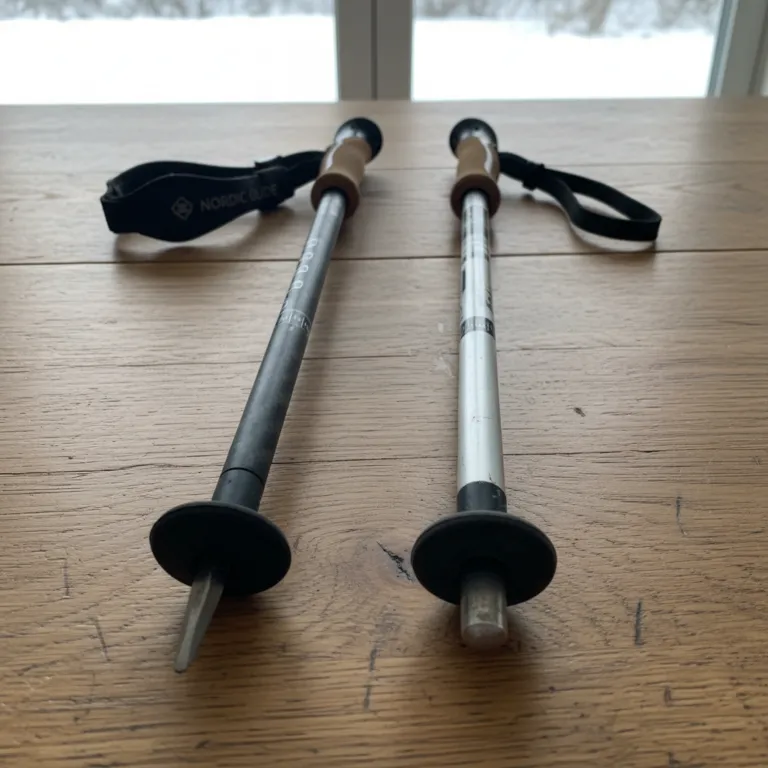
You need only two things to begin: a pair of properly sized Nordic walking poles and comfortable walking shoes. Use our Pole Length Calculator to find your exact size. For cancer prevention, consistency matters far more than premium equipment.
Shop Nordic Walking Poles on Amazon
If you are a complete beginner, read our Complete Beginner’s Guide to learn proper technique. Our Training Plan Generator can create a personalized schedule based on your fitness level and goals.
Frequently Asked Questions
How much Nordic walking is needed to reduce cancer risk?
The minimum effective dose is 150 minutes per week of moderate-intensity Nordic walking (about 30 minutes, 5 days per week). Research shows a dose-response relationship — more exercise provides more protection, up to approximately 300 minutes per week.
Is Nordic walking better than running for cancer prevention?
For long-term cancer prevention, Nordic walking may be more effective than running — not because it burns more calories per session, but because its low injury rate allows decades of consistent exercise. Running has a 30-50% annual injury rate which interrupts training. Cancer prevention depends on cumulative lifetime exercise, making sustainability the critical factor.
Can Nordic walking help during cancer treatment?
Yes. Multiple clinical trials show that moderate exercise during chemotherapy reduces treatment-related fatigue by 30-40%, improves immune function, and may enhance treatment efficacy. Nordic walking poles provide stability for patients experiencing balance issues. Always consult your oncologist before starting exercise during treatment.
At what age should I start Nordic walking for cancer prevention?
The earlier, the better. Cancer-protective benefits of exercise are cumulative over a lifetime. However, it is never too late to start — studies show measurable risk reduction even when exercise begins after age 60. Our Seniors Guide provides safe protocols for starting at any age.
Start Nordic Walking — Browse Poles on Amazon →
Garmin Vivoactive 5 — Track Your Activity →
References & Scientific Sources
All claims about Cancer Prevention & Recovery on this page are supported by peer-reviewed clinical research. Below are the primary sources cited:
- Cugusi L, Manca A, Dragone D, et al. (2017). Nordic walking for the management of people with Parkinson disease: A systematic review. PM R. [PubMed]
- Sprod LK, Drum SN, Bentz AT, et al. (2010). The effects of walking poles on shoulder function in breast cancer survivors. Integr Cancer Ther. [PubMed]
- Campbell KL, Winters-Stone KM, Wiskemann J, et al. (2019). Exercise Guidelines for Cancer Survivors: Consensus Statement from International Multidisciplinary Roundtable. Med Sci Sports Exerc. [PubMed]
Citations follow APA-style format. Full-text access varies by source. This article is for informational purposes only and does not replace medical advice — consult your healthcare provider before starting any exercise program for Cancer Prevention & Recovery.