Nordic Walking for Seniors: Safe and Effective Exercise Guide
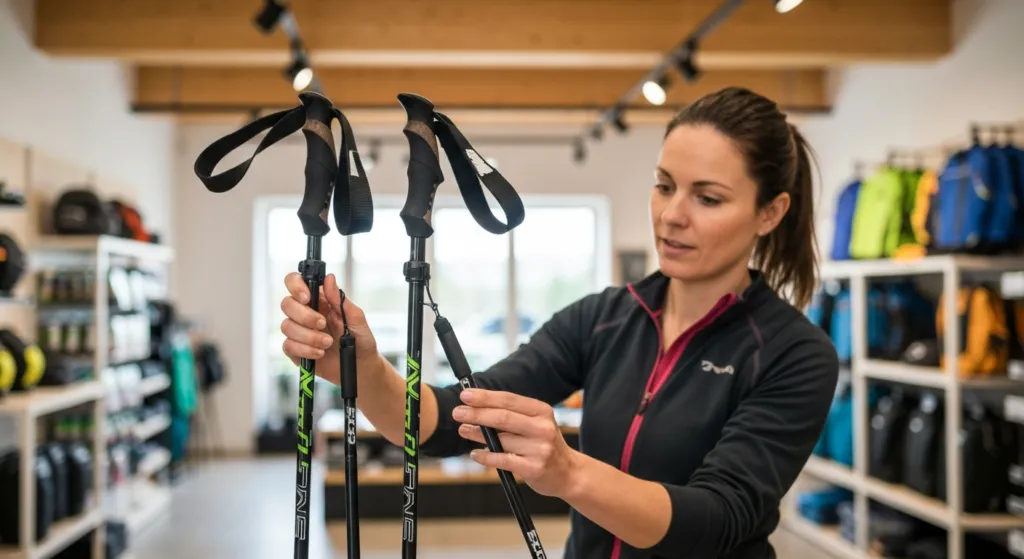
Nordic walking has become one of the most recommended low-impact exercises for adults over 60. Unlike regular walking, the poles engage the upper body, improve balance, and reduce joint stress — making it ideal for seniors seeking an active, healthy lifestyle.
Key Takeaways
Nordic walking is one of the most recommended low-impact exercises for adults over 60 because the poles activate over 90 percent of muscles, improve balance, and reduce joint stress compared with regular walking.
- Muscle activation: over 90% of muscles versus about 40% in traditional walking.
- Balance and safety: two extra points of ground contact reduce fall risk.
- Week-by-week: learn technique in weeks 1-2, build endurance in weeks 3-4 (30-40 min, 3-4x/week), reach 45-60 minute walks by weeks 5-8.
- Sizing: use the pole-length formula and prioritise comfortable grips for arthritic hands.
- Joint friendly: low impact makes it sustainable for seniors managing joint conditions.
Why Nordic Walking Is Perfect for Seniors
Pros
Cons
- Technique learning requires patience for beginners
- Poles need correct sizing (important for seniors)
- Cold/wet conditions require non-slip tips
- Initial muscle soreness in upper body is normal
Traditional walking only uses around 40% of the body’s muscles. Nordic walking, by contrast, activates over 90% of muscles including the core, arms, and shoulders. This full-body engagement means you burn more calories, improve cardiovascular health, and build strength — all without running or high-impact movement.
- Balance support: Poles act as two extra points of contact, significantly reducing the risk of falls
- Joint protection: Walking with poles distributes body weight, reducing pressure on knees and hips by up to 30%
- Posture improvement: The technique naturally aligns the spine and opens the chest
- Social activity: Group Nordic walking clubs exist in most cities and parks worldwide
Choosing the Right Poles for Seniors
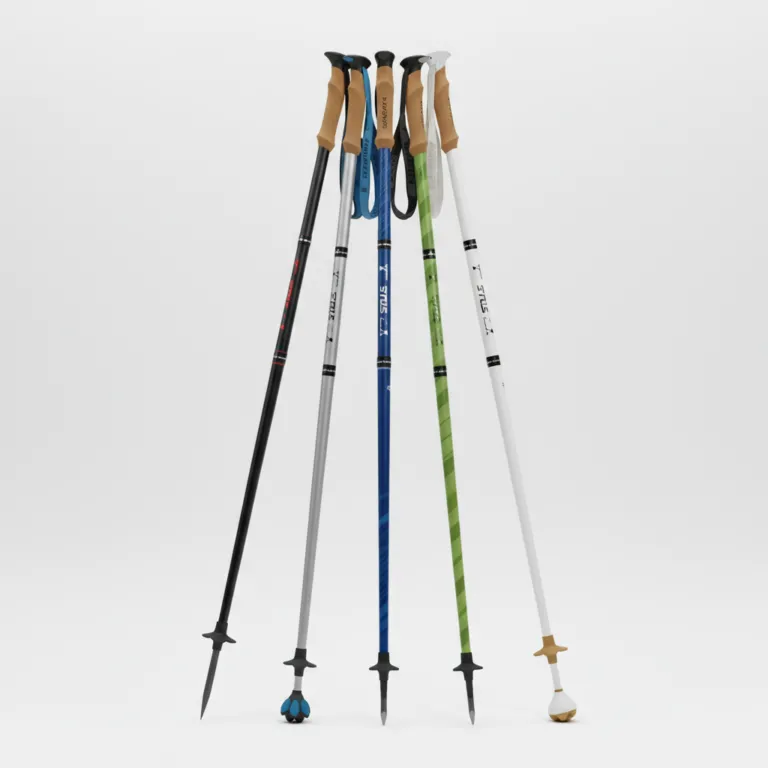
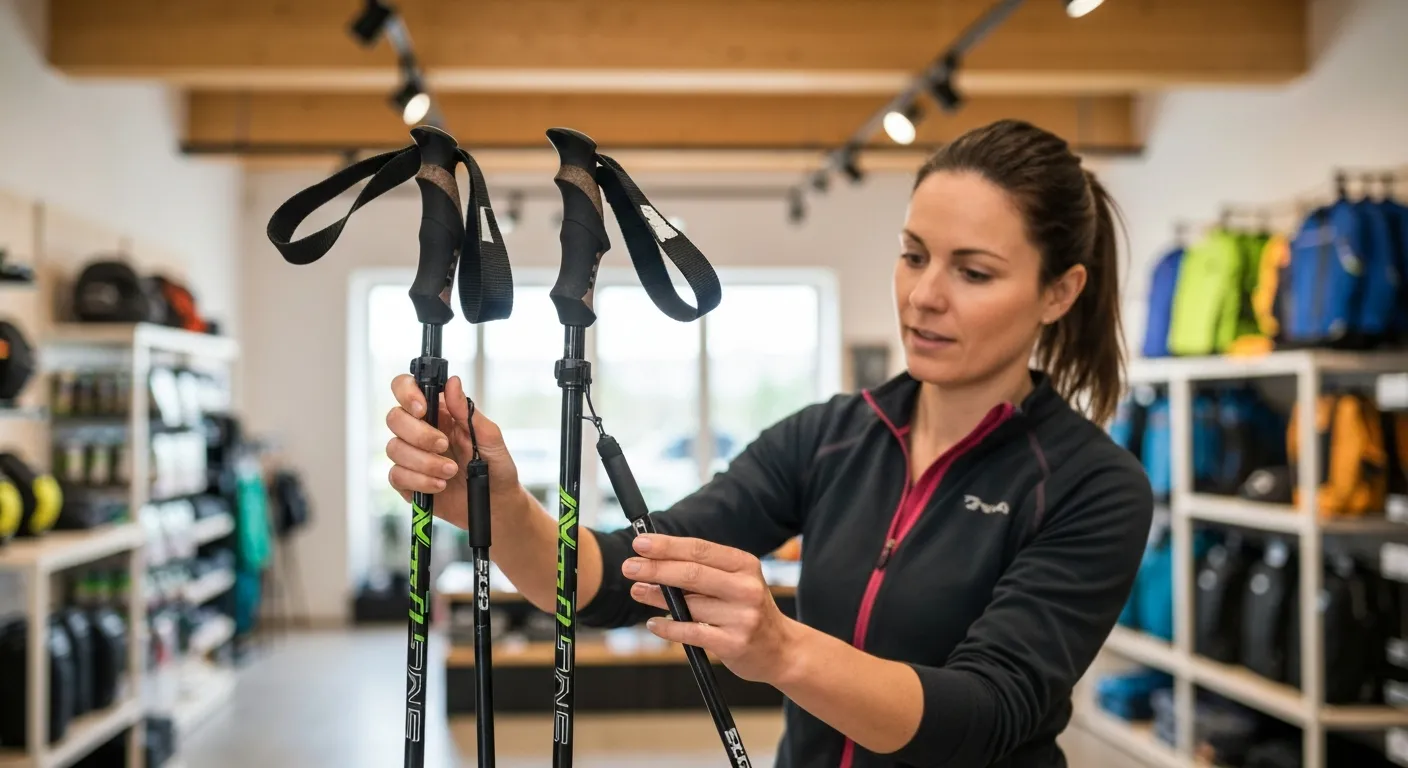
Pole selection is critical for comfort and safety. For seniors, the key factors are weight, grip comfort, and adjustability:
| Factor | Recommendation for Seniors |
|---|---|
| Material | Aluminum or carbon fiber (lightweight, under 200g per pole) |
| Grip | Cork or foam — easier on arthritic hands |
| Strap system | Anatomic glove-style strap for secure hold without gripping hard |
| Length | Adjustable 100–130 cm recommended |
| Tip | Rubber boot for urban surfaces, carbide tip for trails |
The Correct Pole Length Formula
The standard formula for Nordic walking pole length is: height × 0.68. However, for seniors or those with mobility challenges, a slightly longer pole (height × 0.70) provides more support and upright posture.
A properly fitted pole should allow your elbow to form a 90-degree angle when the pole tip touches the ground next to your foot.
Getting Started: Week-by-Week Program
If you’re new to Nordic walking, ease in gradually to avoid muscle soreness from the unfamiliar upper-body engagement:
Week 1–2: Learning the Technique
Start with 20-minute sessions on flat terrain. Focus on the arm-leg opposition movement: left pole plants as the right foot steps forward, and vice versa. This natural cross-pattern is instinctive but may feel awkward at first — that’s normal.
Week 3–4: Building Endurance
Extend sessions to 30–40 minutes. Add slight inclines if comfortable. Your shoulders, triceps, and core will begin to strengthen noticeably. Aim for 3–4 sessions per week.
Week 5–8: Full Routine
You’re now ready for 45–60 minute walks at a brisk pace. Include varied terrain: parks, gentle hills, paved paths. Consider joining a Nordic walking group for motivation and technique refinement.
Safety Guidelines for Senior Nordic Walkers
- Always warm up for 5 minutes with light arm circles and shoulder rolls
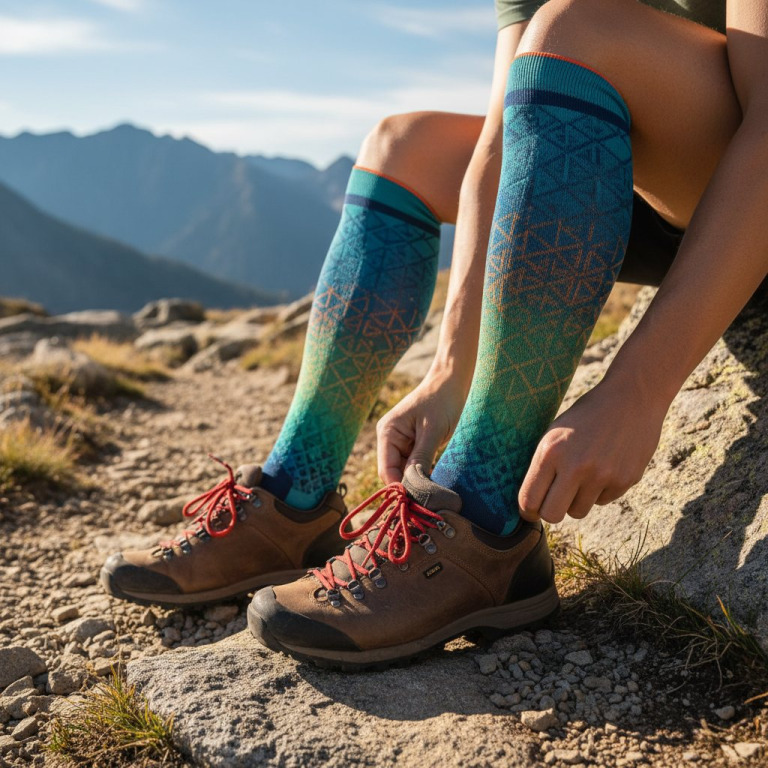
- Wear supportive footwear with good ankle stability — not running shoes
- Stay hydrated: drink water before, during, and after walks
- Check pole tips regularly — worn tips reduce traction
- Walk with a partner or tell someone your route if going alone
- Consult your doctor before starting if you have heart conditions or recent joint surgery
Common Mistakes to Avoid
Many beginners hold the poles too tightly, causing wrist and forearm fatigue. The secret is to push with the strap rather than grip the handle. Let the pole swing freely behind you after each plant.
Another common error is planting the pole too far forward, which slows momentum. The pole tip should land roughly at mid-foot level, angled slightly backward.
Health Benefits Backed by Research
Studies consistently show that Nordic walking provides superior health outcomes compared to regular walking for older adults. A 12-week Nordic walking program demonstrated measurable improvements in cardiovascular fitness, grip strength, and mood scores among participants aged 65–80.
The rhythmic pole planting also stimulates proprioception — the body’s sense of position in space — which is crucial for fall prevention as we age.
Where to Walk: Best Environments for Seniors
- Parks and green spaces: Soft paths reduce joint impact; nature reduces stress hormones
- Paved promenades: Predictable surface, good for beginners building confidence
- Golf courses (off-season): Excellent terrain variety with gentle slopes
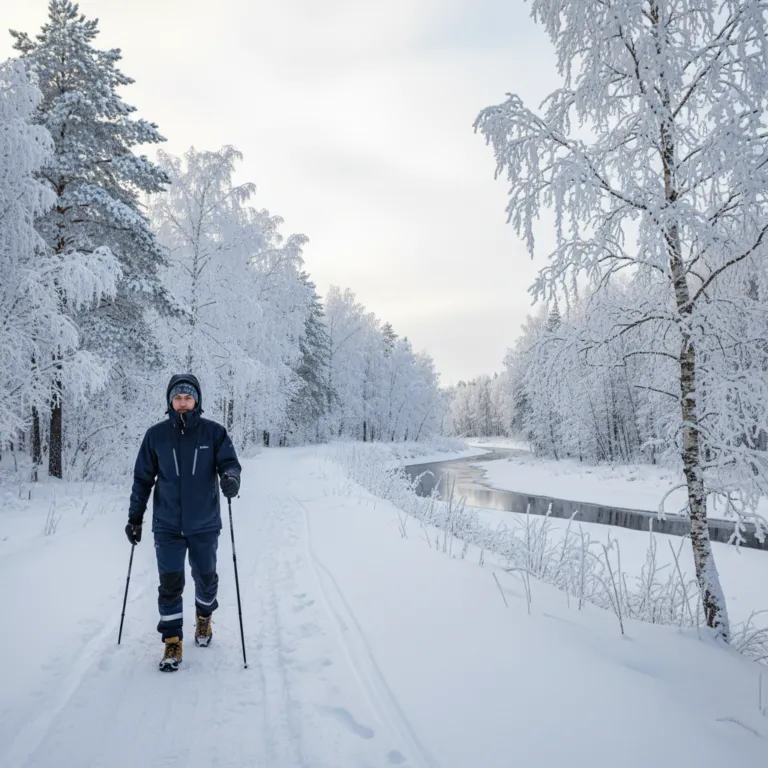
- Indoor tracks: Great for winter or extreme heat — poles still provide full benefit
Nordic walking is not just exercise — for many seniors, it becomes a lifestyle. The combination of movement, fresh air, social connection, and progressive challenge keeps both body and mind engaged. Start slow, stay consistent, and enjoy the journey.
Explore More
Related tools: Calculate your ideal pole length | Estimate your calorie burn
Recommended reading: How to Choose Nordic Walking Poles | Complete Beginner’s Guide
Seniors with balance concerns should start on flat, paved paths with rubber paw tips for maximum grip. Progress to gravel and light trail only after 3-4 weeks, when the pole-planting rhythm becomes automatic and does not require conscious attention.
Shop Lightweight Poles for Seniors on Amazon →
Recommended Gear for Senior Nordic Walkers
LEKI Response Shark — Adjustable, Easy-Grip Poles →
TrailBuddy Poles — Lightweight Budget Option →
Hoka Bondi — Maximum Cushion Walking Shoes →
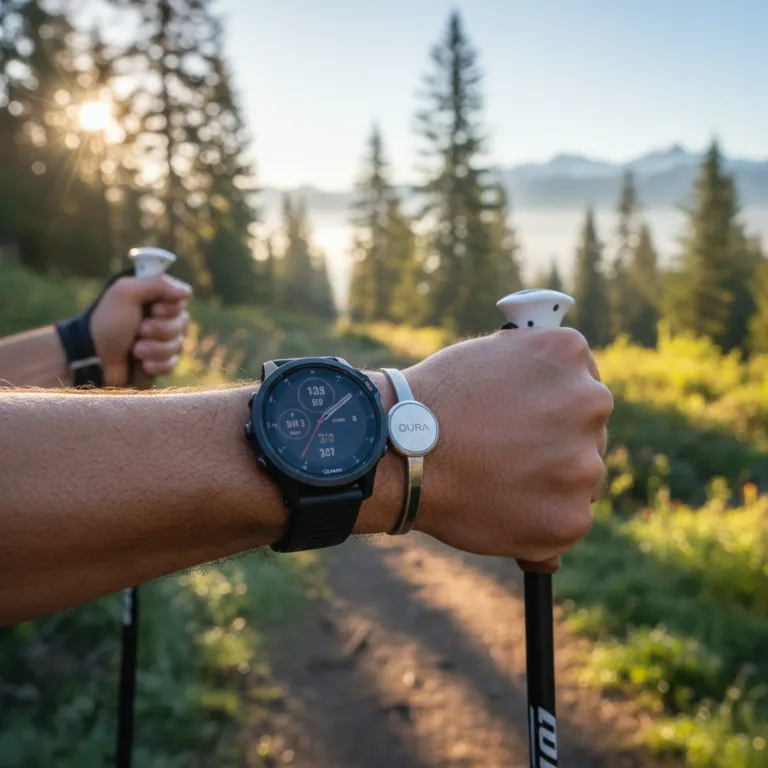
Garmin Vivoactive 5 — Easy-to-Read Health Tracking →
Yaktrax Walk — Winter Ice Safety →
The Evidence Base: What Research Shows for Seniors
A 2010 randomized controlled trial by Parkatti and colleagues studied 58 women aged 70-79 over 9 months of Nordic walking compared to regular walking and a control group. The Nordic walking group showed significantly greater improvements in maximal oxygen uptake, walking speed, and self-reported quality of life. Critically, the fall incidence in the Nordic walking group was 47% lower than the control group — a finding that has been replicated in multiple subsequent studies.
For seniors specifically, the four-point contact system (two poles + two feet) provides a stability margin that single-limb balance activities cannot match. This is why Nordic walking is now routinely prescribed in fall-prevention programs in Scandinavia, Germany, and increasingly across European geriatric rehabilitation centers.
Common Health Conditions and Nordic Walking Compatibility
- Osteoporosis: ✅ Recommended. Weight-bearing activity maintains bone density; poles eliminate high-impact risk.
- Type 2 Diabetes: ✅ Excellent. Nordic walking improves insulin sensitivity and blood glucose management better than regular walking due to increased muscle mass engaged.
- Heart Disease (stable): ✅ Supported with medical clearance. The gradual, controllable intensity is ideal for cardiac rehabilitation.
- Knee Osteoarthritis: ✅ Supported. Poles reduce knee load and strengthen supporting muscles simultaneously.
- Parkinson’s Disease: ✅ Emerging evidence. The rhythmic bilateral movement supports gait quality and balance in early-to-moderate Parkinson’s.
Start with a conversation with your doctor if you have any of the above conditions. In most cases, the response will be support — Nordic walking is one of the few exercises that rheumatologists, cardiologists, and geriatricians consistently agree is safe and beneficial for older adults.
Frequently Asked Questions
Is Nordic walking safe for seniors with osteoporosis?
Yes — Nordic walking is recommended by rheumatologists for osteoporosis. It provides the bone-loading stimulus needed to maintain density while the poles eliminate the high-impact forces that risk fracture. Start on flat terrain and progress gradually.
What is the best Nordic walking pole for seniors?
Look for a lightweight telescopic pole (under 200g) with a glove-style strap that opens fully for safety. Leki and Swix both make senior-specific models with ergonomic grips that reduce wrist strain. Avoid fixed-length carbon poles for beginners — adjustability matters more than weight savings.
How far should seniors walk when starting Nordic walking?
Start with 20-30 minutes at a comfortable conversational pace, 3 times per week. In weeks 3-4, extend to 35-40 minutes. By week 8, most seniors are comfortably completing 60-minute sessions. Never increase distance more than 10% per week.